


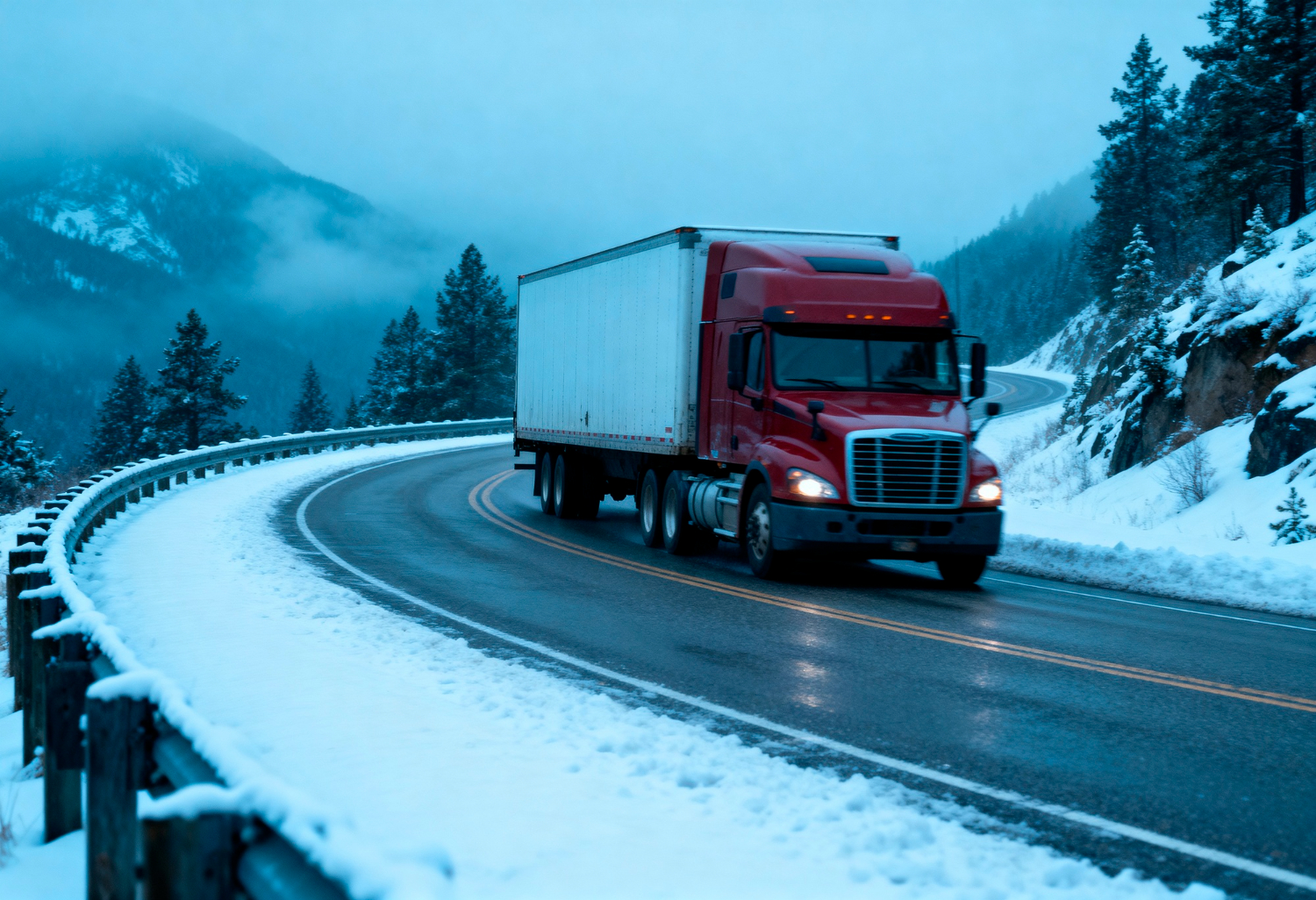
The physical difference between a standard passenger car and a massive commercial semi-truck is impossible to ignore on the highway. While a typical sedan weighs around four thousand pounds, a fully loaded tractor-trailer can reach up to eighty thousand pounds. This incredible disparity in mass creates a level of kinetic energy that most small vehicles simply cannot withstand during a sudden impact today.
When these two forces meet, the result is almost always catastrophic for the occupants of the smaller vehicle. The scale of the destruction is often so great that the cost of the property damage alone exceeds the total value of many smaller claims. Because the stakes are so high, the legal and financial ripples of these crashes extend much further than a typical fender bender between neighbors.
Truck accidents are driven by the extreme force of the impact and the complex web of regulations that govern the commercial transportation industry. These cases require a massive amount of resources and legal expertise to investigate and resolve because the potential for high-value damages is so great.
Working with an experienced truck accident lawyer is often critical, as these attorneys understand how to navigate federal trucking regulations, identify responsible parties, and preserve key evidence before it disappears. Understanding the reasons behind these elevated costs is essential for any victim who is seeking a fair and just recovery after a collision.
Vehicle Size and Impact Force
The sheer size of a commercial vehicle is the most obvious factor in determining the severity of a crash. When forty tons of steel and cargo are moving at highway speeds, the momentum makes it very difficult to stop or steer away from a hazard. The laws of physics dictate that the smaller object will absorb the vast majority of the energy released during the event.
This massive transfer of energy leads to a level of property damage that is rarely seen in standard accidents. Cars are often completely totaled, and roadway infrastructure like guardrails and bridges can be significantly damaged by the force. Replacing these assets is an expensive process that adds to the total bill for the insurance carriers involved in the claim.
Beyond the physical wreckage, the force of the impact often leads to secondary accidents as other drivers swerve to avoid the debris. A single truck collision can quickly turn into a multi-car pileup that shuts down an entire interstate for many hours. This scale of destruction is a primary reason why these cases are treated with such high levels of scrutiny today.
Multiple Parties and Insurance Layers
In a typical car accident, the dispute is usually between two individual drivers and their respective insurance companies. Trucking accidents are far more complex because they involve a long chain of professionals and corporate entities. A single trip might involve a driver, a trucking company, a vehicle owner, and a third-party cargo loader who all share some responsibility.
Each of these parties typically carries their own high-value insurance policy to protect against the risks of the industry. This creates multiple layers of coverage that must be untangled to determine who will pay for the damages. It often leads to legal finger-pointing as each company tries to shift the blame onto someone else in the chain of command.
Navigating these layers requires a deep understanding of corporate law and the specific contracts that bind the trucking industry together. It is not uncommon for a victim to be fighting against several different legal teams at the same time. This complexity increases the administrative and legal costs of the case as the investigation continues over many long months.
Severe Injuries and Long Recovery
The injuries sustained in a collision with a commercial truck are frequently life-altering and require years of specialized medical care. Survivors often face traumatic brain injuries, spinal cord damage, or multiple broken bones that change their ability to function forever. These catastrophic outcomes demand a level of financial support that is far beyond a standard injury claim for a family.
Economic damages in these cases include the loss of future earnings for a person who can no longer work in their chosen field. If a young professional is permanently disabled, the cost of those missed paychecks over several decades can reach into the millions of dollars. The law must account for this massive loss of potential to ensure the family remains stable and secure.
Long-term care costs also play a major role in the high price tag associated with these specific types of accidents. A person may need modifications to their home, specialized vehicles, and daily nursing support to maintain their quality of life. These ongoing expenses are factored into the final settlement to provide a comprehensive net of support for the survivor.
Regulatory and Compliance Issues
The trucking industry is governed by a strict set of federal safety rules known as the Federal Motor Carrier Safety Regulations. These laws cover everything from how many hours a driver can be on the road to the frequency of brake inspections. Violations of these rules can significantly increase the value of a claim by proving negligence.
Every modern commercial truck is equipped with a black box, or Electronic Logging Device, that records vital data about the trip. This information includes speed, braking patterns, and the exact moments the driver was behind the wheel. Accessing and analyzing this data is a technical and expensive process that provides the objective truth about the crash.
When a company fails to follow these federal guidelines, they may be subject to punitive damages intended to punish them for their neglect. This regulatory layer adds a level of complexity that is not present in most private vehicle disputes. Proving a pattern of non-compliance is a powerful tool for increasing the overall value of a legal claim today.
Why Claims Take Longer
Trucking claims take much longer to resolve because of the sheer depth of the investigation required to find the truth. Investigators must review thousands of pages of logs, maintenance records, and hiring files to see if any corners were cut. This meticulous process is necessary to ensure that no piece of evidence is overlooked or destroyed.
Reconstructing the accident scene often involves hiring specialized engineers who can use the data to create a digital model of the impact. These experts provide a scientific explanation of how the massive weight of the truck contributed to the damage. Their testimony is a high-cost but essential part of building a persuasive and winning case for the victim.
Ultimately, the high cost and long timeline are a direct reflection of the immense stakes involved for everyone. Trucking companies will fight hard to protect their profits, and victims must be just as diligent in their pursuit of justice. By taking the time to uncover every detail, we ensure that the final outcome is fair and complete for the family.



 Get Our RSS
  Follow us on Twitter
  Like us on Facebook
  Circle us on Google+
  EasyFinance Blog
 Twitter
 Facebook
 Google+
 LinkedIn
 Email Subscriptions
Leave a Reply: