


- IMAGE SOURCE: @JamesGRickards via Twitter
When it comes to making an essential purchase or perhaps buying goods for a once-in-a-lifetime project, it is the norm to immediately reach for a credit card and make use of other traditional finance options like a personal loan. However, can you ever imagine a time when you might take an alternative route and choose to embrace a digital currency instead?
A hot topic
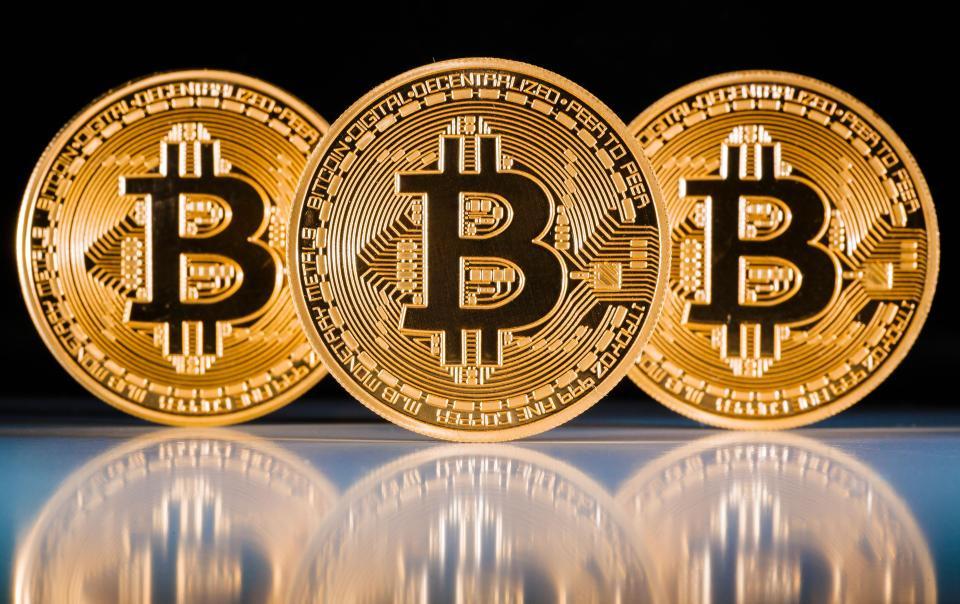
The chances are that you will have heard the phrase ‘bitcoin’ in the past 12 months. While the concept of cryptocurrency has been around for almost a decade now, it burst into the spotlight after reaching record values of almost $20,000 at the end of last year. Despite that landmark moment, many still feel that the jury is out on a type of currency which has always been viewed as notoriously volatile. In recent weeks it has had a particularly difficult time and towards the end of June, its value stood in the region of $6,000 – a fairly sizable drop from the milestone seen as 2017 drew to a close.
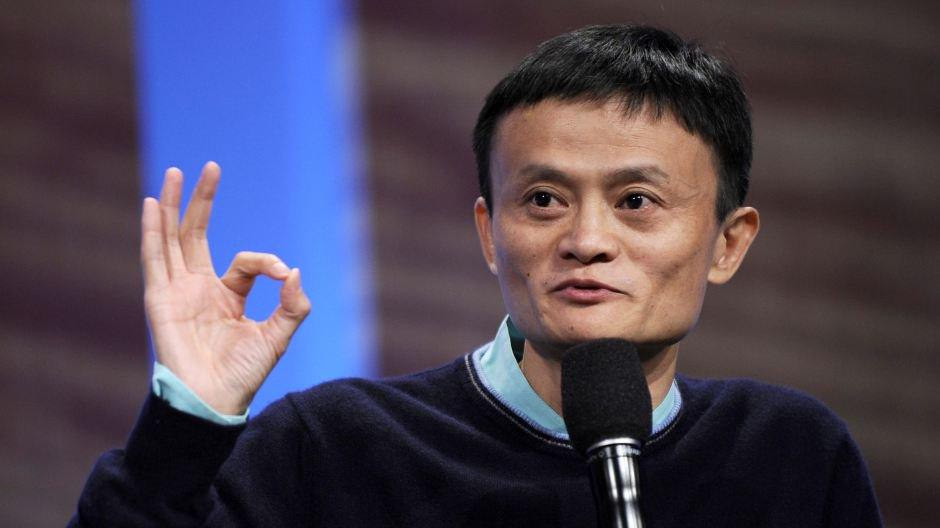
Such fluctuations mean that it has become commonplace to see experts from the financial world speak out about the currency’s viability, with Alibaba executive chairman Jack Ma being the latest name to throw his hat into the ring. Speaking at a recent event, he was quoted warning that bitcoin may, in fact, be a bubble, before adding that the technology which is core to the currency – known as blockchain – may, in fact, be more likely to prove successful in the longer term.
- IMAGE SOURCE: @KEPSA_KENYA via Twitter
Embraced by business
However, despite the likes of Ma and other experts casting doubt over bitcoin’s long-term future, cryptocurrencies are still being embraced by a range of different businesses and industries with many offering it as a payment option.
As an article by BusinessInsider outlines, computing giant Microsoft is among those which accept the currency for purchases made on its online stores, while those with the travel bug are also able to make hotel bookings on Expedia using it. Bitcoin has even been embraced by the gambling world, with a blog article published by Betway Casino outlining how the currency offers a range of benefits including instant transactions and zero fees. Some people have even taken great delight in being able to purchase a Subway sandwich using the currency too.
- IMAGE SOURCE: @Dell via Twitter
The beginning
So just where did bitcoin come from and how did we get to this point where it has become the biggest talking point in the financial world and something we could end up using to buy everything from groceries to even other essentials like insurance?
Bitcoin was first launched back in 2009 as open source code and was created by Satoshi Nakamoto, a mysterious individual who is thought to have been acting under a pseudonym (no one seemingly is aware of his true identity). As Bitcoin.org outlines, the currency works much like any other, as it involves people transferring it between digital wallets with each transaction being recorded on the aforementioned blockchain, which acts as a ledger and record of activity.
People are able to get involved in bitcoin by either buying the currency or undertaking some so-called ‘mining’. The latter process not only assists in verifying transactions but also means that new bitcoins are released too. Investopedia describes it as “trying to solve a computationally difficult puzzle”.
The future
While questions about the likelihood of cryptocurrency being a success have existed since the earliest days, the concept has continued to push forward and is arguably closer to being embraced by the mainstream than ever before. In fact, there are plenty of signs in a range of different studies that the general public are beginning to see some potential in the likes of bitcoin.
According to recent research by Dutch banking organization ING, only around one in ten Europeans actually own any cryptocurrency at present. While this may seem low, the same study found that 16 per cent did expect to own it in the future and 15 per cent even suggested they would be interested in getting a salary paid in it.
In the US, another study undertaken by Survey Monkey and the Global Blockchain Business Council found that 60 per cent of people in the country had heard of the concept of bitcoin, while a fifth of those polled revealed they were actively considering whether to add it their portfolios.
Built to last?
All of this appears to show that while experts may still have significant doubts about the long-term future of bitcoin and cryptocurrency, both businesses and consumers are showing an increasing level of interest.
It is, of course, hard to say what the next few years will hold for bitcoin, but it is hard to bet against it continuing to defy its biggest doubters.



 Get Our RSS
  Follow us on Twitter
  Like us on Facebook
  Circle us on Google+
  EasyFinance Blog
 Twitter
 Facebook
 Google+
 LinkedIn
 Email Subscriptions
Leave a Reply: