


Given the popularity, and well, more often than not, the controversy cryptocurrency faces intermittently, it was but a matter of time till Mark Zuckerberg showed an interest in it. Zuckerberg has announced the launch of a new currency known as Libra, and in this article, we are going to be talking all about it. Zuckerberg, along with twenty-five other organisations collaborated to launch this cryptocurrency, and we shall now directly venture into the topic without any further delay.
What Does Libra Stand For?
The theoretical underpinning for Libra is to build a virtual financial structure where millions from all corners of the world can come together and make use of the platform to empower themselves and each other with a safe and secure process of a financial transaction. The one thing that apparently sets Libra apart from the other cryptocurrencies and network of blockchain is that it aims at making even the simplest financial transaction doable and fathomable. Cryptocurrency (you can find more information on www.forex.academy) has been known to serve better uses to investors and speculators than serving the daily transactions. Therefore, if everything goes according to the plan before its launch, Libra might be able to bring in a revolution of sorts in the arena of blockchain technology. To aid the process, Facebook has also come up with an independent subsidiary known as Calibri, which helps a person save, spend and transact in Libra. So it basically treads on the tracks of all the other financial apps available for daily transactions; as well as, sees to it that vast and intricate financial deals can also be handled effectively and securely with this one common platform.
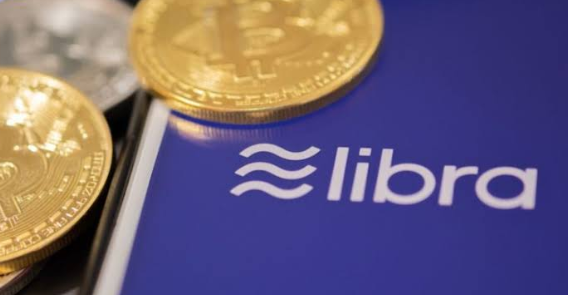
Libra aims at minimizing the complications involved in blockchain but does not settle or compromise with its security.
Five Things To Mention About Libra:
There are a few things you need to know about this cryptocurrency that has created quite some noise in this domain. We shall discuss each one of those in this section and try to understand Libra a little better.
Calibra is Facebook’s Digital Wallet-
Facebook is known to integrate its user interface with other social media apps like WhatsApp, Instagram and the like. Therefore, Calibra, the digital wallet of Libra, will be also be integrated with Messenger and WhatsApp and allow users to take part in the network of this cryptocurrency comfortably. The idea is to make Libra so accessible to users that anyone can deal with it on their smartphones and send the currency from one smartphone user with an Internet connection to the other smartphone user. This is exactly going to be like Google Pay, but with cryptocurrency involved in it. It also promises to provide a host of several other services like riding the metro without a metro pass, buying stuff by just scanning a code and paying bills and the like.
There Shall Be A Libra Association-
A universal rule that dominates cryptocurrency is that the entire network is decentralised; which means that there is no interference of the Government. But, every financial, digital or cryptocurrency, requires an association that looks over its working. The Libra Association shall fill in those shoes and see to it that you have a transparent system of cryptocurrency on the rise. It is not just Facebook alone, managing Libra. It has several collaborators and partnerships, like the PayPal, Visa, Mastercard and the like. Therefore, you can rest assured that there is nothing shady about the way Libra shall function.
Libra Shall Be Built On A Reserve-
If an association of trusted service providers and partners is not enough for you to place your trust in Libra, know that this cryptocurrency shall be built on a real asset. This reserve shall be built out of two sources- users and investors. There shall also be a white paper that shall give its users an insight into the details which would further help the users in expediting their decision-making process.
The Question of Privacy-
With cryptocurrencies, comes in the long-lingering question of privacy and security. However, Zuckerberg has promised that every bit of caution shall be undertaken while charting the course of this currency and there shall also be the concept of refunds just in case of any fraud or an unfortunate event. We only have words to believe until the launch of Libra in 2020. Rest, time shall only tell.
Since Facebook’s 2019 announcement, Libra was re-branded as Diem, faced intense scrutiny from U.S. and EU watchdogs, and was ultimately sold to Silvergate Bank in 2022. Understanding this arc helps investors gauge the likelihood that similar big-tech stablecoins will ever launch. Below is a timeline summarizing how shifting rules on capital requirements, KYC/AML, and bank-charter mandates affected the project and what that means for future digital-currency pitches.
If you’re weighing whether to hold cash or explore emerging fintech products, compare new crypto rules to the consumer protections already baked into a guaranteed personal loan approval direct lender agreement before locking up funds long-term.
Investors often equate “stablecoin” with dollar-pegged safety, yet backing mechanisms differ wildly. Learn to inspect reserve audits, redemption windows, and off-chain counterparties so you can spot gaps that put your principal at risk. Use these questions as a checklist:
For readers whose credit score limits traditional liquidity buffers, exploring online loans for bad credit may offer a more predictable back-up plan than volatile tokens.
Crypto settlements can still take hours or days whenever exchanges pause withdrawals. If rent is due now, frictionless fiat matters more than blockchain elegance. Diversify liquidity sources by keeping part of your emergency fund in high-yield savings and another slice in ultra-short-term bond ETFs.
And when urgency strikes, a same-day advance such as an i need money now option may be cheaper than liquidating tokens at a steep spread during market stress.
Position sizing starts with volatility math: early-stage stablecoin prototypes still post ±1-3% intraday swings, while regulatory headlines can trigger larger gaps. A conservative rule is to cap any single experimental asset at 5% of your liquid net worth. Break that slice into tranches so you can exit gradually if redemption liquidity dries up.
Prefer ultra-short commitments? Parking only the equivalent of a $500 loan no credit check amount in crypto lets you test utility without jeopardizing core savings.
Libra promised sub-second global transfers, yet today’s fintech rails already offer sub-1% FX fees in many corridors. Before switching, compare:
*Speed assumes both sender and receiver already hold on-chain wallets. For larger family remittances say the size of a 1000 dollar loan factor in on- and off-ramp costs before deciding.
Whether you’re storing Bitcoin, USDC, or any potential Libra successor, follow these safeguards:
For peace of mind on larger positions equal to, say, a 1500 dollar loan, consider splitting storage between two custodians to reduce single-point-of-failure risk.
2025 Regulatory Roadmap: From Libra to Diem What Happened and Why It Matters
Stablecoin or Not? Key Metrics to Judge Libra-Like Tokens
Need Instant Cash? Balancing Crypto Exposure with Real-World Liquidity
How Much of Your Portfolio Should Ride on Tomorrow’s “Libra”?
Cross-Border Payments Showdown: Libra vs. Low-Cost Alternatives
Channel
Average Fee
Speed
Fintech Neobank
0.75 %
Minutes
Traditional SWIFT
3-5 %
1-3 days
Stablecoin Rail
Gas + On-/Off-Ramp
Under 1 hour*
Protecting Your Digital Wallet: Five Security Steps Before You Buy In
Conclusion:
There has been widespread ignorance and apprehensions regarding cryptocurrencies since its dawn, but Libra promises to rise above them all. However, whether it lives up to its tall promises or not and whether it stands the test of time shall be proven in the due course of time. All we can do till then is wait and enlighten ourselves enough to make use of the opportunities Libra presents us with after its launch.



 Get Our RSS
  Follow us on Twitter
  Like us on Facebook
  Circle us on Google+
  EasyFinance Blog
 Twitter
 Facebook
 Google+
 LinkedIn
 Email Subscriptions
Leave a Reply: