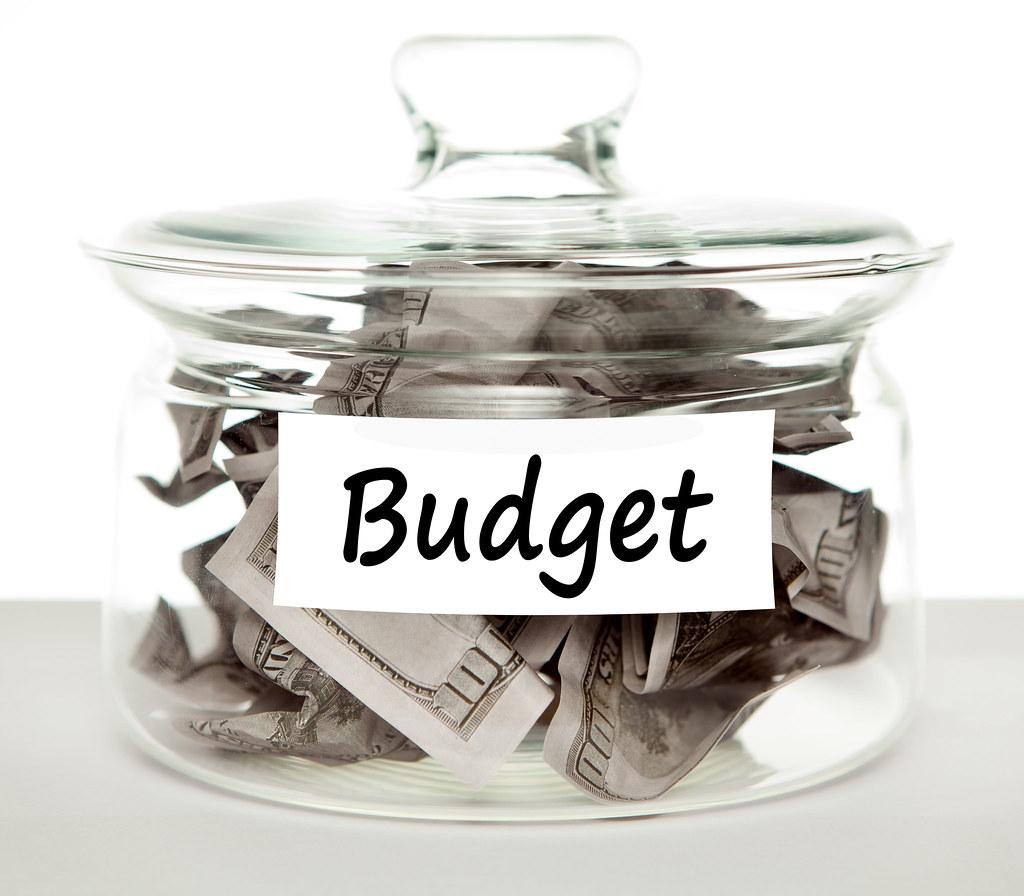
Money Management 101: How to Budget, Save, Manage Debt, and Build Financial Security
Updated for 2026 by the EasyFinance.com editorial team • U.S.-focused financial education • Credit rules, taxes, account protections, loan costs, investment options, and consumer rights vary by product, institution, state, and household
Money management is not a talent that only some people possess. It is a set of habits and decisions that can be learned: knowing what comes in, deciding where it should go, preparing for irregular expenses, protecting essential bills, using credit carefully, and reviewing progress regularly.
Quick answer: Start with a complete picture of income, expenses, assets, and debts. Build a realistic monthly budget, track actual spending, automate manageable savings, create an emergency fund, pay priority bills and debt on time, review credit reports, compare borrowing by total repayment, protect major risks with insurance, and invest long-term money through a diversified plan that reflects your goals and risk tolerance.
The original article included useful advice about budgeting, tracking spending, and saving regularly, but it also promoted guaranteed-approval loans, no-credit-check cash advances, and fixed loan amounts as routine money-management tools. Those offers can be expensive or misleading. A short-term loan does not solve an ongoing monthly deficit, and an unexpected fee required before a promised loan is released is a common advance-fee scam warning.
Table of Contents
- What Is Money Management?
- A Practical Order for Managing Money
- 1. Create a Financial Snapshot
- 2. Set Specific Financial Goals
- 3. Build a Monthly Budget
- 4. Track Spending Accurately
- 5. Manage Cash Flow and Bill Timing
- 6. Use Sinking Funds for Predictable Costs
- 7. Build an Emergency Fund
- 8. Keep Short-Term Savings in an Appropriate Account
- 9. Create a Debt Repayment Plan
- Priority Bills and Debts
- Debt Avalanche vs. Debt Snowball
- 10. Review Credit Reports
- 11. Understand Credit Scores
- 12. Manage Credit Utilisation
- 13. Calculate Debt-to-Income Ratio
- 14. Borrow Only After Comparing the Full Cost
- How to Calculate the Real Cost of a Loan
- What to Do When Cash Is Short
- Payday Alternative Loans From Federal Credit Unions
- Guaranteed-Approval and No-Credit-Check Claims
- 15. Protect Against Major Financial Losses
- 16. Save for Retirement
- 17. Invest Long-Term Money Carefully
- Diversification, Asset Allocation, and Fees
- 18. Plan for Taxes and Keep Records
- 19. Protect Accounts From Fraud
- 20. Manage Money as a Household
- Budgeting With Irregular Income
- How to Decide Whether You Can Afford a Major Purchase
- Annual Financial Review
- Monthly Budget Template
- Net Worth Worksheet
- Debt-to-Income Calculator
- Emergency Fund Target Worksheet
- Debt Repayment Worksheet
- Monthly Money Management Checklist
- Frequently Asked Questions
What Is Money Management?
Money management is the process of planning, monitoring, and directing financial resources. It includes everyday decisions and long-term planning.
Core Areas
- Income
- Spending
- Budgeting
- Savings
- Banking
- Credit
- Debt
- Insurance
- Taxes
- Retirement
- Investing
Good Money Management Is Not Perfection
A useful system expects irregular bills, mistakes, changing income, and unexpected costs. The goal is not to predict every expense. It is to create enough visibility and flexibility to respond without repeatedly relying on expensive debt.
A Practical Order for Managing Money
- Protect housing, food, utilities, medicine, insurance, and work-related transport.
- Bring required minimum payments current.
- Track income, bills, and spending.
- Build a small emergency buffer.
- Use valuable employer benefits where appropriate.
- Pay down high-cost debt.
- Expand emergency savings.
- Save for predictable short-term expenses.
- Invest for retirement and long-term goals.
- Review insurance, taxes, beneficiaries, and account security.
The Order Can Change
A household facing eviction, utility disconnection, medical need, or loss of transport should not direct every available dollar to a low-priority unsecured balance. Consider the consequences of nonpayment, not only the interest rate.
1. Create a Financial Snapshot
Begin with an accurate picture of the current position.
List Monthly Income
- Take-home pay
- Self-employment income
- Benefits
- Pension or Social Security
- Support payments received
- Rental or other reliable income
List Monthly Expenses
- Housing
- Utilities
- Food
- Transport
- Health care
- Insurance
- Childcare
- Minimum debt payments
- Taxes
- Subscriptions
- Discretionary spending
List Assets
- Checking and savings
- Retirement accounts
- Investments
- Property
- Vehicles
- Business interests
- Other items with material resale value
List Liabilities
- Mortgage
- Credit cards
- Auto loans
- Student loans
- Personal loans
- Medical debt
- Tax debt
- Buy-now-pay-later balances
Calculate Net Worth
Net worth = Total assets − Total liabilities
Net worth is useful for tracking long-term progress, but it does not replace a cash-flow budget. A person can own valuable property and still be unable to pay next week’s bills.
2. Set Specific Financial Goals
Short-Term Goals
- Save a $500 starter emergency buffer.
- Pay an overdue utility bill.
- Eliminate one credit-card balance.
- Save for an annual insurance premium.
Medium-Term Goals
- Replace a vehicle.
- Build three to six months of essential expenses.
- Save a home down payment.
- Pay off high-interest debt.
Long-Term Goals
- Retirement
- Education
- Home ownership
- Business ownership
- Financial independence
Use a Defined Target
Replace âsave more moneyâ with:
Save $2,400 for car repairs and insurance within 12 months by transferring $200 each month.
Rank Competing Goals
Use urgency, consequences, cost, deadline, and personal importance to decide which goal receives money first.
3. Build a Monthly Budget
A budget is a plan for income, spending, saving, and debt payments over a defined period.
Use Actual Numbers
Review several months of:
- Bank statements
- Credit-card statements
- Payment applications
- Receipts
- Cash withdrawals
Separate Expenses
- Fixed: Rent, mortgage, insurance, subscriptions
- Variable: Food, fuel, utilities, entertainment
- Periodic: Registration, holidays, school costs, annual premiums
- Unexpected: Repairs, urgent travel, medical bills
Budget Formula
Money available for goals = Net income − Essential expenses − Minimum debt payments − Planned discretionary spending
A Budget Does Not Need to Be Extremely Strict
A realistic budget can include entertainment and personal spending. A plan that removes every discretionary dollar can fail quickly and make later spending harder to control.
Percentage Rules Are Optional
Frameworks such as 50/30/20 can be useful starting points, but housing, health, childcare, debt, and income vary. Use the actual household numbers.
4. Track Spending Accurately
Small purchases can accumulate, but the purpose of tracking is not to shame every purchase. It is to identify patterns and compare actual behaviour with the plan.
Tracking Methods
- Budgeting application
- Bank categorisation tool
- Spreadsheet
- Paper notebook
- Envelope or category system
Review Categories Weekly
- Groceries
- Dining
- Transport
- Shopping
- Subscriptions
- Fees
Watch for Invisible Spending
- Automatic renewals
- Application subscriptions
- Delivery fees
- Small repeated in-app purchases
- Bank and card fees
- Unused memberships
Do Not Count Credit Card Spending Twice
Record each purchase in its spending category. The later credit-card payment is repayment of those purchases, not a new category of consumption.
5. Manage Cash Flow and Bill Timing
A household can have adequate monthly income but still run short because bills and paydays occur at different times.
Create a Bill Calendar
| Date | Income or Bill | Expected Amount | Automatic? |
|---|---|---|---|
Possible Adjustments
- Request a different due date.
- Split savings across paydays.
- Keep a small checking buffer.
- Move annual costs into monthly sinking funds.
- Turn off unnecessary automatic renewals.
Do Not Depend on Overdrafts
Repeated overdrafts indicate that timing, spending, or income needs attention. An overdraft is credit or a fee-based service, not extra income.
6. Use Sinking Funds for Predictable Costs
A sinking fund is money saved over time for an expense that is expected but not paid every month.
Monthly sinking-fund contribution = Expected cost ÷ Number of months until payment
Example
A $1,200 insurance premium due in 12 months requires a $100 monthly sinking-fund contribution.
Common Sinking Funds
- Car repairs and registration
- Home maintenance
- Medical deductible
- Holidays and gifts
- School costs
- Travel
- Annual subscriptions
Sinking Fund vs. Emergency Fund
- Sinking fund: Planned future expense
- Emergency fund: Unplanned urgent expense or loss of income
7. Build an Emergency Fund
An emergency fund is a cash reserve specifically set aside for unplanned costs or financial emergencies, such as a repair, medical bill, or loss of income.
Start With a Manageable Target
- $250
- $500
- $1,000
- One insurance deductible
- One week of essential expenses
Expand the Fund Over Time
The eventual target depends on:
- Job stability
- Number of household earners
- Health
- Insurance deductibles
- Home and vehicle condition
- Income variability
- Dependants
Common Planning Range
Several months of essential expenses is a common planning range, but it is not a universal rule. A self-employed household can need a larger reserve than a household with two stable salaries and strong insurance.
Automate a Sustainable Amount
Regular transfers after payday can build the habit. Begin with an amount that does not cause overdrafts or require borrowing later in the month.
Replenish After Use
When the fund pays a real emergency, add rebuilding it to the next budget.
8. Keep Short-Term Savings in an Appropriate Account
Near-Term Savings Should Prioritise
- Safety
- Liquidity
- Low fees
- Reliable access
- Appropriate deposit protection
Possible Places
- FDIC-insured savings account
- FDIC-insured money market deposit account
- NCUA-insured credit union account
- Short-term U.S. Treasury securities when timing and access fit
FDIC Insurance
The standard FDIC insurance limit is currently $250,000 per depositor, per FDIC-insured bank, for each account ownership category.
Not Every Financial Application Is an Insured Bank
Confirm the legal institution holding the money, whether the product is a deposit or investment, and how any pass-through insurance structure works.
Do Not Invest Emergency Money in Volatile Assets
Stocks, cryptocurrency, commodities, and long-term bonds can fall in value when cash is needed.
9. Create a Debt Repayment Plan
Step 1: Maintain Required Payments
Late payments can create fees, higher rates, collections, legal action, loss of collateral, and credit damage.
Step 2: List Every Debt
- Balance
- APR or interest rate
- Minimum payment
- Due date
- Secured or unsecured status
- Promotional rate end date
Step 3: Select a Target Debt
Maintain minimums on the other debts and direct the planned extra amount toward one target.
Step 4: Stop Adding New Balances
A payoff plan cannot succeed if new charges match the amount repaid.
Step 5: Keep a Basic Cash Buffer
Using every dollar to pay debt can result in new borrowing after the next repair or medical expense.
Priority Bills and Debts
Priority is based on consequences, not only the balance or interest rate.
Protect First
- Rent or mortgage
- Utilities
- Food and medication
- Insurance
- Transport needed for work
- Taxes and court obligations
- Child support
- Loans secured by essential property
Contact Providers Early
Before missing a payment, ask about:
- Due-date change
- Hardship plan
- Temporary payment reduction
- Fee waiver
- Structured repayment arrangement
Debt Avalanche vs. Debt Snowball
| Method | Target | Main Benefit | Main Limitation |
|---|---|---|---|
| Debt avalanche | Highest interest rate first | Usually minimises total interest | First payoff can take longer |
| Debt snowball | Smallest balance first | Creates early visible progress | Can cost more interest |
Consistency Is More Important Than a Perfect Formula
The mathematically cheapest method is not useful if it is abandoned. Select a method that can be followed while protecting priority bills and emergency savings.
10. Review Credit Reports
AnnualCreditReport.com is the federally authorised website for credit reports from Equifax, Experian, and TransUnion. Free online reports are currently available weekly.
Review for
- Accounts you do not recognise
- Incorrect balances
- Wrong late payments
- Duplicate collection accounts
- Incorrect personal information
- Closed accounts shown as open
- Hard inquiries you did not authorise
Dispute Errors
Contact the credit-reporting company and the organisation that supplied the information. Keep copies of evidence and correspondence.
Checking Your Own Report Does Not Hurt the Score
Requesting your own report is not a lender hard inquiry.
Credit Report vs. Credit Score
- Credit report: Contains reported account and payment information.
- Credit score: A numerical prediction calculated from report information using a scoring model.
11. Understand Credit Scores
A credit score predicts credit behaviour, such as the likelihood of repaying a loan on time. Consumers can have multiple scores because lenders, bureaus, and scoring companies use different models and data.
Common Factors
- Payment history
- Amounts owed and utilisation
- Age of accounts
- Recent applications
- Types of credit
- Negative account information
No One Score Guarantees Approval
A lender can also review income, debts, collateral, employment, loan purpose, and internal policy.
Do Not Pay Interest Solely to Build Credit
Positive history can be built by using a card lightly and paying it on time without carrying an interest-bearing balance.
Accurate Negative Information Usually Cannot Be Deleted Early
Credit repair companies cannot guarantee removal of accurate current information.
12. Manage Credit Utilisation
Credit utilisation compares revolving balances with available revolving limits.
Credit utilisation = Reported revolving balances ÷ Total revolving limits × 100
Example
- Total reported card balances: $1,500
- Total credit limits: $10,000
- Utilisation: 15%
Do Not Treat 30% as a Universal Guarantee
Lower utilisation is generally better for many scoring models, but no single percentage guarantees approval or a particular score. Paying the full balance is best for avoiding interest, while reported balances can still affect scores depending on timing.
Ways to Reduce Utilisation
- Spend less.
- Pay before the statement closes after a large purchase.
- Make more than one payment per month.
- Avoid closing unused cards without considering the utilisation effect.
13. Calculate Debt-to-Income Ratio
Debt-to-income ratio compares monthly debt payments with gross monthly income.
DTI = Monthly debt payments ÷ Gross monthly income × 100
Example
- Mortgage or rent-related debt payment used by the lender: $1,500
- Auto loan: $350
- Credit-card minimums: $150
- Student loan: $200
- Total monthly debt payments: $2,200
- Gross monthly income: $7,000
- DTI: 31.4%
DTI Is Not the Same as a Credit Score
DTI is generally calculated from stated or verified income and debt obligations. It is not a universal component displayed in a credit report or incorporated identically into every credit score.
Different Lenders Use Different DTI Rules
The included debts, treatment of housing, acceptable ratio, and verification process vary by product and lender.
14. Borrow Only After Comparing the Full Cost
Borrowing Can Be More Defensible When
- The expense is necessary.
- The amount is limited.
- The repayment fits after essential costs.
- The loan replaces more expensive debt without adding collateral risk.
- The financed asset or education has a realistic useful value.
Borrowing Is High Risk When
- The payment depends on uncertain overtime.
- The loan pays another short-term loan.
- The household is already short each month.
- The lender requires an advance fee before funding.
- The product uses frequent automatic withdrawals.
- The home secures ordinary consumer spending.
Compare
- Amount requested
- Net amount received
- APR
- Origination fee
- Payment amount
- Number of payments
- Total repayment
- Late and returned-payment fees
- Prepayment terms
- Collateral and guarantee
How to Calculate the Real Cost of a Loan
| Loan Item | Amount |
|---|---|
| Advertised loan amount | |
| Fee deducted before disbursement | |
| Net cash received | |
| Number of payments | |
| Payment amount | |
| Total repayment | |
| Total financing cost |
Total financing cost = Total repayment − Net cash received
Example
- Approved amount: $1,500
- Fee withheld: $150
- Net cash received: $1,350
- Total scheduled repayment: $1,800
- Total financing cost: $450
The relevant cost is measured against the $1,350 actually received, not only the advertised $1,500 amount.
What to Do When Cash Is Short
Step 1: Protect Essentials
- Housing
- Food
- Utilities
- Medication
- Insurance
- Work transport
Step 2: Contact the Provider
- Request a due-date change.
- Ask for a payment plan.
- Request hardship assistance.
- Ask whether a fee can be waived.
- Check medical financial assistance.
Step 3: Use Available Resources
- Emergency savings
- Sinking fund if the expense fits its purpose
- Benefits or local assistance
- Employer assistance or salary advance with clear terms
- Sale of unused items
Step 4: Define the Gap
Determine whether the shortfall is a one-time problem or a recurring monthly deficit. A loan cannot sustainably cover a permanent deficit.
Step 5: Compare Lower-Cost Credit
Consider a credit union, a regulated personal loan, or another transparent alternative only after calculating the payment and complete cost.
Payday Alternative Loans From Federal Credit Unions
Some federal credit unions offer Payday Alternative Loans under NCUA rules. Availability is not guaranteed, and membership and underwriting requirements apply.
Current Federal PAL Rate Ceiling
The current interest-rate ceiling for qualifying PALs is 28%.
PALs I
- Maximum amount generally $1,000
- Term generally up to six months
- Membership-period requirements apply
PALs II
- Maximum amount generally $2,000
- Term generally up to 12 months
- Different membership timing can apply
28% Does Not Apply to Every Small Loan
The rate ceiling applies to loans meeting the federal credit union PAL rules. It is not a universal cap for payday lenders, cash-advance applications, banks, or online personal loans.
Guaranteed-Approval and No-Credit-Check Claims
Guaranteed Approval Is a Warning Sign
Honest lenders do not guarantee a loan before reviewing the application. FTC guidance warns that companies promising credit regardless of history and demanding a processing or other fee before funding are running advance-fee loan scams.
No-Credit-Check Does Not Mean No Assessment
A provider can use:
- Bank transaction data
- Payroll information
- Collateral
- Income verification
- Automatic account access
Unexpected Loan Messages
Do not respond to a text or call claiming that a loan you never applied for is already approved. Scammers can request Social Security, bank-account, or identity information to complete a fake application.
Never Pay by Gift Card or Cryptocurrency to Release a Loan
That payment method is a major scam warning.
15. Protect Against Major Financial Losses
Emergency savings handles smaller and immediate costs. Insurance transfers selected large risks.
Review Relevant Coverage
- Health insurance
- Auto insurance
- Homeowners or renters insurance
- Disability coverage
- Life insurance when others depend on income
- Liability or umbrella coverage
- Business insurance for self-employment
Understand
- Deductible
- Coverage limit
- Exclusions
- Waiting period
- Beneficiaries
- Replacement cost vs. actual cash value
Lowest Premium Does Not Always Mean Best Value
A low premium can result from a high deductible, low limit, or significant exclusion.
16. Save for Retirement
Review Employer Benefits
- 401(k), 403(b), or other retirement plan
- Employer match
- Vesting schedule
- Investment options
- Administrative and investment fees
Consider an IRA
An Individual Retirement Account can provide tax advantages, subject to current contribution, income, withdrawal, and eligibility rules.
Automate Contributions
A regular payroll or bank transfer reduces the need to make a new decision every month.
Balance Retirement With High-Cost Debt and Emergency Needs
An employer match can be valuable, but a household should also consider high-interest debt, priority bills, tax consequences, and the absence of emergency savings.
Avoid Unplanned Early Withdrawals
Taxes, penalties, lost growth, and reduced retirement security can apply.
17. Invest Long-Term Money Carefully
Savings and investing serve different purposes. Money needed soon generally should not be exposed to substantial market risk.
Before Investing
- Define the goal.
- Set the time horizon.
- Build appropriate emergency savings.
- Address high-cost debt.
- Understand possible losses.
- Select the account type.
- Review fees and tax treatment.
Compound Growth
Compound growth means earning returns on the original amount and earlier accumulated returns. It can increase long-term wealth, but investment returns are not guaranteed.
Do Not Chase Recent Performance
A rapidly rising stock, cryptocurrency, commodity, or fund can decline. Historical performance does not establish future return.
Diversification, Asset Allocation, and Fees
Diversification
Diversification spreads money among different investments to reduce concentration risk.
Asset Allocation
Asset allocation is the mix of categories such as:
- Stocks
- Bonds
- Cash
- Other assets
The Mix Depends On
- Goal
- Time horizon
- Risk tolerance
- Need for income
- Other assets and debts
Diversification Does Not Prevent Every Loss
A diversified portfolio can still decline during broad market stress.
Fees Matter
- Fund expense ratio
- Advisory fee
- Trading cost
- Account fee
- Sales load
- Insurance or annuity charge
Even small recurring fees can create large differences in long-term outcomes.
18. Plan for Taxes and Keep Records
Keep Records for
- Income
- Withholding
- Estimated tax payments
- Deductible expenses
- Investment cost basis
- Charitable contributions
- Business activity
- Property purchases and improvements
Review Withholding After Life Changes
- Marriage or divorce
- Second job
- Self-employment
- Birth or adoption
- Large investment gain
Self-Employment Requires Separate Planning
Set aside money for taxes and separate personal and business transactions.
19. Protect Accounts From Fraud
Use
- Unique passwords
- Password manager
- Multifactor authentication
- Account alerts
- Credit freezes where appropriate
- Independent contact verification
Never Share
- One-time security code
- Online banking password
- Full card details with an unexpected caller
- Remote device access
- Cryptocurrency seed phrase
Contact Companies Through Official Channels
Use the telephone number on the card, statement, or official website rather than a link or number in an unexpected message.
20. Manage Money as a Household
Agree on Shared Priorities
- Essential bills
- Emergency savings
- Debt repayment
- Retirement
- Individual discretionary spending
Choose an Account Structure
- Fully joint
- Fully separate
- Joint household account plus individual accounts
Hold Regular Money Meetings
Review upcoming bills, irregular expenses, account balances, goals, and decisions before a crisis occurs.
Financial Safety
Each adult should understand major debts, accounts, insurance, taxes, and emergency contacts. Hidden debt, restricted account access, or coercive control can be signs of financial abuse.
Budgeting With Irregular Income
Use Conservative Income
Build the essential budget on a lower reliable monthly amount rather than the best recent month.
Create an Income Holding Account
During strong months, retain cash and transfer a stable amount into the household account.
Prioritise
- Taxes
- Essential business costs
- Essential household costs
- Minimum debt payments
- Emergency savings
- Goals and discretionary spending
Maintain a Larger Buffer
Variable income generally requires more cash flexibility than a stable salary.
How to Decide Whether You Can Afford a Major Purchase
Having Enough Cash Is Not the Only Test
Before purchasing, calculate:
- Purchase price
- Tax
- Financing cost
- Insurance
- Maintenance
- Registration
- Subscription or service fees
- Effect on emergency savings
Affordability Questions
- Will priority bills remain current?
- Will emergency savings remain adequate?
- Can the purchase be paid without carrying credit-card interest?
- What will the item be worth later?
- Could renting or buying used meet the same need?
Do Not Focus Only on Monthly Payment
A longer loan can lower the monthly amount while increasing total interest.
Annual Financial Review
Review At Least Annually and After Major Changes
- New job or income change
- Marriage or divorce
- Birth or adoption
- Home purchase
- Major illness
- Business launch
- Retirement
Annual Review Items
- Net worth
- Budget
- Emergency fund
- Debt rates and balances
- Credit reports
- Retirement contributions
- Investment allocation and fees
- Insurance limits and beneficiaries
- Tax planning
- Account security
Monthly Budget Template
| Category | Planned | Actual | Difference |
|---|---|---|---|
| Net income | |||
| Housing | |||
| Utilities | |||
| Food | |||
| Transport | |||
| Health and insurance | |||
| Minimum debt payments | |||
| Extra debt repayment | |||
| Emergency savings | |||
| Sinking funds | |||
| Retirement and investing | |||
| Discretionary spending | |||
| Money remaining |
Net Worth Worksheet
| Item | Value or Balance |
|---|---|
| Cash accounts | |
| Retirement accounts | |
| Other investments | |
| Property and vehicles | |
| Other assets | |
| Total assets | |
| Mortgage | |
| Credit cards | |
| Student, auto, and personal loans | |
| Other liabilities | |
| Total liabilities | |
| Net worth |
Debt-to-Income Calculator
| Monthly Item | Amount |
|---|---|
| Housing debt payment used by lender | |
| Auto loans | |
| Student loans | |
| Credit-card minimums | |
| Personal and other debt payments | |
| Total monthly debt payments | |
| Gross monthly income | |
| DTI percentage |
Emergency Fund Target Worksheet
| Essential Monthly Expense | Amount |
|---|---|
| Housing | |
| Utilities | |
| Food | |
| Transport | |
| Health and insurance | |
| Minimum priority debt payments | |
| Other essentials | |
| Total essential monthly expenses | |
| Target number of months | |
| Emergency fund target |
Debt Repayment Worksheet
| Debt | Balance | APR | Minimum | Extra Payment | Target Order |
|---|---|---|---|---|---|
Monthly Money Management Checklist
| Question | Your Answer |
|---|---|
| Was all income recorded? | |
| Were actual expenses compared with the budget? | |
| Are priority bills current? | |
| Are all minimum debt payments current? | |
| Were unused subscriptions cancelled? | |
| Was money transferred to emergency savings? | |
| Were sinking funds funded? | |
| Was extra money sent to the target debt? | |
| Did any bank or credit-card fees appear? | |
| Were account transactions checked for fraud? | |
| Is credit utilisation manageable? | |
| Did a future irregular expense change? | |
| Are next month’s large bills funded? | |
| Are retirement contributions on track? | |
| What is the one financial priority for next month? |
Key Takeaways
- Money management is a learnable system, not an inborn talent.
- Begin with an accurate list of income, expenses, assets, and debts.
- A useful budget reflects real transactions and includes irregular expenses.
- Track spending to identify patterns, fees, and automatic charges.
- Use sinking funds for predictable costs and emergency savings for unplanned events.
- The appropriate emergency-fund amount depends on income stability and household risks.
- The standard FDIC insurance limit is $250,000 per depositor, per insured bank, for each ownership category.
- Priority bills should be evaluated by the consequences of nonpayment.
- The debt avalanche usually minimises interest, while the snowball can improve motivation.
- Free weekly online credit reports are currently available through AnnualCreditReport.com.
- A credit report, credit score, and debt-to-income ratio are different measures.
- No single utilisation percentage guarantees a particular credit score or approval.
- DTI equals monthly debt payments divided by gross monthly income.
- Compare loans using net proceeds, APR, fees, monthly payment, and total repayment.
- Federal credit union PALs can have a current rate ceiling of 28%, but that cap does not apply to every small-dollar loan.
- Guaranteed approval and an advance fee required to release a loan are major scam warnings.
- Insurance and emergency savings protect against different types of loss.
- Long-term investing should reflect goals, time horizon, diversification, risk, and fees.
- Review the plan monthly and after major life changes.
Official Money Management Resources
- CFPB: Your Money, Your Goals Toolkit
- CFPB: Creating and Following a Budget
- CFPB: Building an Emergency Fund
- CFPB: Debt-to-Income Ratio
- CFPB: Credit Scores
- AnnualCreditReport.com: Free Credit Reports
- FDIC: Understanding Deposit Insurance
- Investor.gov: Asset Allocation and Diversification
- Investor.gov: Understanding Investment Fees
- NCUA: Responsible Small-Dollar Loans and PALs
- FTC: Advance-Fee Loan Scams
- FTC: Fake Loan Text Scams
Frequently Asked Questions About Money Management
What is money management?
Money management is the process of planning, spending, saving, borrowing, protecting, and investing financial resources.
What is the first step in managing money?
Create a complete picture of income, expenses, assets, debts, and upcoming obligations.
Do I need special skills to manage money?
No. The core skills can be learned through regular tracking, planning, and review.
How do I create a budget?
List net income, actual expenses, debt payments, savings goals, and irregular costs, then assign each available dollar a purpose.
Does a budget have to be strict?
No. It should be realistic and can include discretionary spending within affordable limits.
What is the best budgeting method?
The best method is one that reflects the household’s real expenses and can be maintained consistently.
Do I have to use the 50/30/20 rule?
No. It is an optional framework, not a universal requirement.
How often should I review my budget?
Review it at least monthly and after significant income or expense changes.
How can I track spending?
Use a budgeting application, spreadsheet, bank categorisation tool, paper journal, or category system.
Why do small purchases matter?
Repeated small purchases can become a significant monthly category and reduce money available for goals.
What is cash flow?
Cash flow is the timing and amount of money entering and leaving the household.
What is a bill calendar?
It is a schedule showing paydays, bill due dates, expected amounts, and automatic payments.
What is a sinking fund?
It is money saved gradually for a predictable future expense.
What is an emergency fund?
It is cash reserved for unplanned expenses or a financial emergency.
How much should I save for emergencies?
Begin with a manageable buffer and build toward an amount based on essential expenses, income stability, insurance, and household risk.
Should I save $500 or $1,000 first?
Either can be a reasonable starter target. Select an amount that can be reached without missing essential bills.
Where should emergency savings be kept?
Use an accessible low-fee account with appropriate protection, such as an FDIC-insured bank or NCUA-insured credit union account.
What is the FDIC insurance limit?
The standard limit is $250,000 per depositor, per FDIC-insured bank, for each ownership category.
Should emergency savings be invested in stocks?
Generally not when the money might be needed soon because stocks can decline at the wrong time.
Should I build savings or pay debt first?
Many households benefit from maintaining minimum payments and building a small buffer before aggressively paying high-cost debt.
What is the debt avalanche?
It directs extra money to the highest-interest debt while minimum payments continue on the others.
What is the debt snowball?
It directs extra money to the smallest balance first.
Which debt method is better?
The avalanche usually costs less interest. The snowball can provide faster visible wins.
Which bills should be paid first?
Protect housing, utilities, food, medicine, insurance, taxes, support obligations, and essential secured property.
What should I do before missing a bill?
Contact the provider and ask about a due-date change, hardship plan, fee waiver, or payment arrangement.
How do I get my credit reports?
Use AnnualCreditReport.com for reports from Equifax, Experian, and TransUnion.
How often are free credit reports available?
Free online reports are currently available weekly.
Does checking my own credit report hurt my score?
No. It does not count as a lender hard inquiry.
What is a credit score?
It is a prediction of credit behaviour based on information from a credit report.
Can I have more than one credit score?
Yes. Different models, lenders, and data can produce different scores.
Does a high score guarantee approval?
No. Lenders can also consider income, debt, collateral, loan purpose, and internal criteria.
Can accurate negative information be deleted?
It generally cannot be removed merely because it is negative, although factual errors can be disputed.
What is credit utilisation?
It is the percentage of available revolving credit represented by reported balances.
Must utilisation always stay below 30%?
No single threshold guarantees a particular outcome. Lower utilisation is generally better in many scoring models.
Does paying a credit card in full help credit?
Paying on time and keeping balances manageable can support credit scores while avoiding interest.
What is debt-to-income ratio?
It is monthly debt payments divided by gross monthly income.
Is DTI part of my credit score?
It is not a universal credit-score component. Lenders commonly calculate it separately during underwriting.
What is a good DTI?
There is no single universal cutoff. Acceptable ratios vary by lender, loan type, credit, assets, and other factors.
How do I know whether I can afford a loan?
Confirm that the payment fits after essential expenses and remains manageable after a realistic income or cost shock.
Why should I compare total repayment?
A loan with a low monthly payment can cost more overall because of fees or a longer term.
What is net loan proceeds?
It is the amount actually received after upfront fees and deductions.
What is an origination fee?
It is a charge for processing or arranging the loan and can be deducted before funding.
What should I do when I need cash immediately?
Protect essentials, contact the provider, use available savings or assistance, define the gap, and compare lower-cost options before borrowing.
What is a Payday Alternative Loan?
It is a qualifying small-dollar loan offered by some federal credit unions under NCUA rules.
What is the current PAL interest-rate ceiling?
The current ceiling for qualifying federal credit union PALs is 28%.
What is the PAL I maximum amount?
PALs I are generally limited to $1,000.
What is the PAL II maximum amount?
PALs II are generally limited to $2,000.
Does the 28% cap apply to every payday loan?
No. It applies to qualifying PALs offered under federal credit union rules.
Are guaranteed-approval loans legitimate?
Honest lenders do not guarantee approval before reviewing an application. Treat the claim cautiously.
What is an advance-fee loan scam?
It is a scam promising credit and demanding a processing or other payment before the nonexistent loan is provided.
What does no credit check mean?
It can mean the provider uses bank, payroll, income, or collateral data instead of a conventional credit inquiry.
Should I respond to an unexpected preapproved-loan text?
No. Do not click the link or provide identity or bank information.
Why do I need insurance if I have savings?
Savings handles smaller costs and deductibles, while insurance can cover selected losses too large to absorb.
When should I start saving for retirement?
As early as practical after protecting immediate needs and considering high-cost debt and emergency savings.
What is compound growth?
It is earning returns on the original amount and earlier accumulated returns.
What is diversification?
It is spreading money among different investments to reduce concentration risk.
Does diversification prevent losses?
No. A diversified portfolio can still decline.
Why do investment fees matter?
Recurring fees reduce the amount that remains invested and can create large differences over time.
How do I budget with irregular income?
Use a conservative income amount, save during strong months, separate tax money, and keep a larger cash buffer.
How can I decide whether I can afford a large purchase?
Include the full ownership cost and confirm that priority bills and emergency savings remain protected.
What is net worth?
Net worth is total assets minus total liabilities.
How often should I calculate net worth?
Quarterly or annually is sufficient for many households.
What is the most important money-management habit?
Consistently reviewing and directing money according to a written plan is more valuable than any single trick.

Leave a Reply: