The global real estate market has gone through several dramatic cycles over the past two decades. After the 2008 financial crisis, many markets recovered strongly, supported by low interest rates, population growth, limited housing supply, and investor demand. In Australia, the property market became one of the most closely watched examples of long-term housing price growth.
For years, Australian property prices, especially in major cities such as Sydney, Melbourne, Brisbane, Perth, and Adelaide, attracted attention from homeowners, investors, economists, and international observers. Some viewed Australia as a stable and desirable housing market. Others warned that high household debt, stretched affordability, foreign investment, and rising prices could create bubble-like conditions.
The question today is not simply whether Australia is in a housing bubble. A better question is whether property prices are supported by strong fundamentals or whether some markets have become too expensive compared with household income, rental yields, and borrowing capacity.
Australia’s property market does not move as one single market. Sydney can behave differently from Perth. Melbourne can cool while Brisbane continues to rise. Investor-heavy suburbs may weaken faster than owner-occupier areas. This makes the market more complex than simple crash predictions suggest.
Still, there are clear signs that buyers, homeowners, and investors should watch carefully. Higher borrowing costs, affordability pressure, policy changes, investor sentiment, rental market stress, and global economic uncertainty can all influence where Australian property prices go next.
Australia’s Long-Running Real Estate Growth Story
Australia has long been viewed as one of the world’s most resilient property markets. Major cities have benefited from population growth, migration, urban job creation, limited housing supply, and strong cultural preference for homeownership.
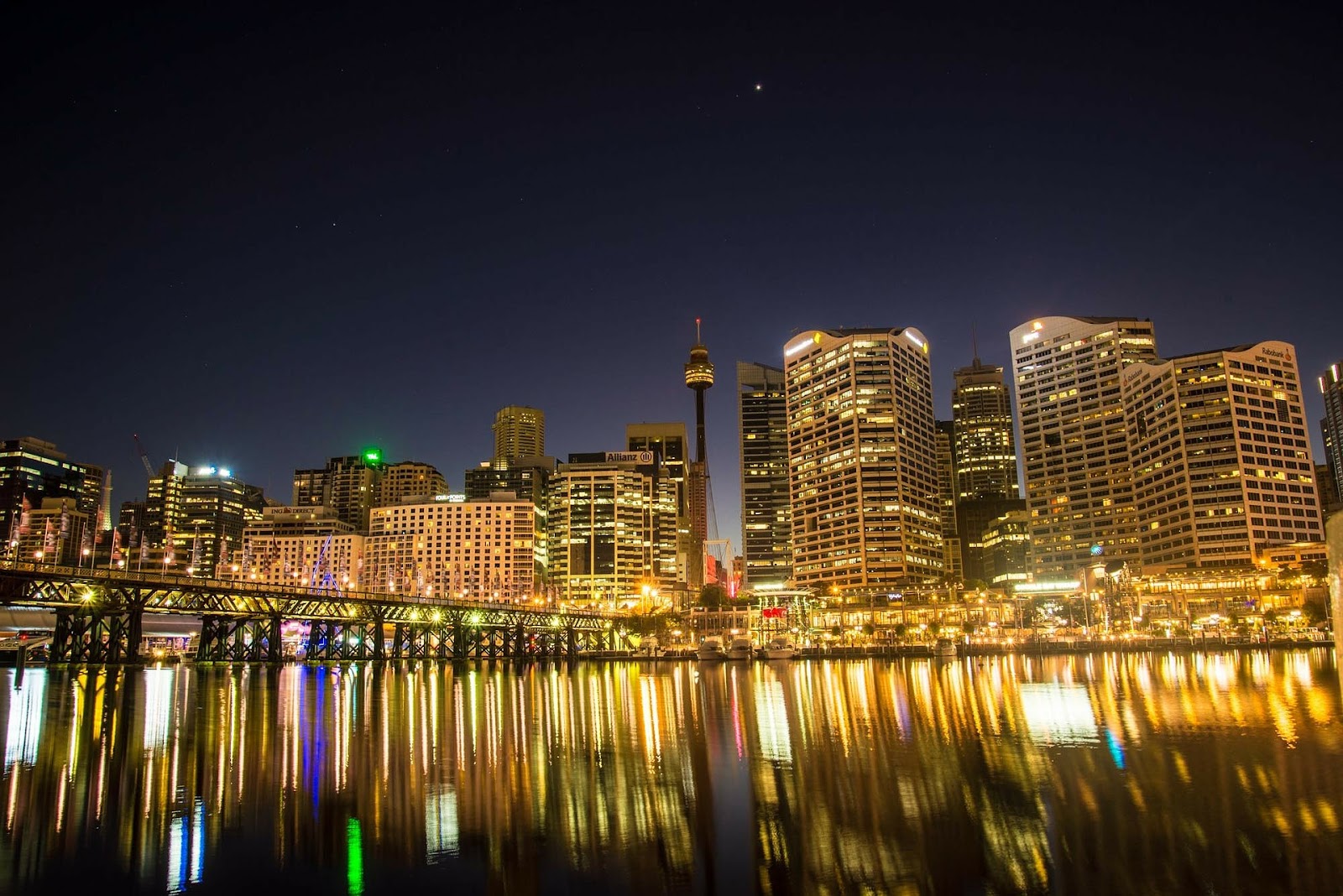
Sydney, in particular, became a symbol of Australia’s housing affordability challenge. The city has experienced strong long-term price growth, and many buyers have struggled to enter the market without high incomes, family support, or large deposits.
However, long-term price growth does not mean prices can rise forever. When home values grow faster than household incomes for too long, affordability becomes stretched. When mortgage repayments consume too much of household income, demand can weaken. When investors no longer see attractive rental yields, they may reduce buying activity.
This is why Australia is often discussed in global housing-risk conversations. Its market has many strengths, but also several vulnerabilities.
Is Australia in a Housing Bubble?
A housing bubble usually occurs when property prices rise far beyond what can be justified by income, rents, credit conditions, and long-term demand. Bubbles are often driven by speculation, easy credit, fear of missing out, and the belief that prices will keep rising indefinitely.
Australia has shown some bubble-like features at different times, including high price-to-income ratios, heavy household debt, strong investor participation, and intense competition in desirable suburbs. However, it also has real structural support, including housing shortages, population growth, high rental demand, and limited supply in major cities.
This means the market should not be described in overly simple terms. Some areas may be overvalued. Some suburbs may correct. Some investor-heavy markets may face pressure. But other locations may remain supported by supply shortages, strong employment, and population inflows.
The more useful approach is to look at the warning signs.
Warning Sign 1: Affordability Is Stretched
Housing affordability is one of the biggest concerns in Australia. In many major cities, home prices have increased much faster than wages over the long term. This has made it harder for first-time buyers to save a deposit and qualify for a mortgage.
When prices become too high relative to income, the buyer pool becomes smaller. Fewer households can afford to purchase, and more buyers rely on larger loans, family assistance, or high dual incomes. This can make the market more sensitive to interest rate increases or job losses.
Affordability pressure does not always cause an immediate crash, but it can limit future price growth and increase the chance of price declines in expensive markets.
Warning Sign 2: Interest Rates Affect Borrowing Power
Real estate prices are closely tied to interest rates. When rates are low, buyers can borrow more, monthly repayments are lower, and demand usually increases. When rates rise, borrowing capacity falls and mortgage repayments become more expensive.
This is especially important in Australia because many households carry large mortgage debts. Even a moderate increase in interest rates can have a significant effect on household budgets. Buyers become more cautious, investors recalculate returns, and banks may assess borrowers more conservatively.
For this reason, interest rate policy is one of the most important factors to watch when assessing whether Australia’s housing market is overheating or cooling.
Warning Sign 3: Investor Demand Can Shift Quickly
Investor demand has played a major role in Australian property markets. Investors often buy based on expected capital growth, rental income, tax treatment, and borrowing conditions. When these factors are favorable, investor activity can push prices higher.
However, investor demand can also weaken quickly if conditions change. Higher interest rates, lower rental yields, tighter lending rules, tax policy changes, or weaker expectations for capital growth can all reduce investor appetite.
This matters because investor-heavy markets can be more volatile. If investors begin selling or stop buying, prices may soften faster than in areas dominated by long-term owner-occupiers.
Warning Sign 4: Rental Yields Can Become Too Low
A property investor usually looks at two potential sources of return: rental income and capital growth. When prices rise much faster than rents, rental yields fall. This can make investment properties less attractive unless investors expect strong future price gains.
Low rental yields can be a warning sign that a market is relying too much on capital growth expectations. If investors no longer believe prices will keep rising, low-yield properties may become harder to justify.
At the same time, Australia has also experienced strong rental pressure in many areas because of tight vacancy rates and limited housing supply. This means the rental market can be strong even when purchase affordability is weak. Investors need to compare local rents, expenses, mortgage costs, and vacancy risk before assuming a property will be profitable.
Warning Sign 5: Construction and Supply Constraints
Housing supply is another key part of the Australian property story. If not enough homes are built to meet population growth, prices and rents can remain supported even when affordability is poor.
Builders and developers face several challenges, including labor shortages, material costs, financing costs, planning delays, and weaker buyer confidence. Some home builders may delay or reduce activity when market conditions become uncertain.
This creates a complicated situation. On one hand, weaker demand can push prices down. On the other hand, limited supply can prevent a large decline or create another round of price pressure when demand returns.
How Australia Compares With the 2008 U.S. Housing Crash
Some commentators compare Australia’s housing risks with the U.S. housing crash of 2008. There are similarities worth watching, including high debt levels, strong price growth, and concerns about lending standards during boom periods.
However, there are also important differences. The U.S. crash was driven in large part by widespread subprime lending, complex mortgage-backed securities, weak underwriting, speculative construction, and mass defaults. Australia’s banking system, mortgage structure, and lending standards are different.
That does not mean Australia is immune to a downturn. It simply means that a direct repeat of the U.S. 2008 crash is not guaranteed. A more realistic risk may be a period of weaker prices, lower transaction volumes, reduced investor activity, and slower economic growth rather than one sudden nationwide collapse.
What a Housing Slowdown Could Mean for Australian Homeowners
For homeowners, a housing slowdown can feel worrying, especially for those who bought recently with a large mortgage. If prices fall, some owners may see their equity shrink. Those who need to sell quickly could face losses or lower-than-expected sale prices.
However, long-term owner-occupiers are usually less affected by short-term market movements if they can continue making mortgage payments and do not need to sell. For many families, the home is primarily a place to live, not a short-term investment vehicle.
Homeowners should focus on repayment affordability, emergency savings, and loan structure rather than short-term property headlines.
What a Housing Slowdown Could Mean for Investors
Investors face a different set of risks. If prices stop rising, an investment strategy based only on capital growth becomes weaker. Investors must pay more attention to rental yield, vacancy rates, maintenance costs, tax treatment, interest rates, and cash flow.
A property that looked attractive during a boom may become less appealing if mortgage costs rise and rents do not cover expenses. Investors should stress-test their numbers before buying and avoid assuming that past price growth will continue indefinitely.
Important investor questions include:
-
Can the property remain cash-flow positive if rates rise?
-
What happens if the property is vacant for two or three months?
-
Are rental yields strong enough to justify the purchase price?
-
Is the suburb dependent on investor demand?
-
Is there too much new supply coming to the area?
Could Australia Affect Global Real Estate Markets?
Australia is not large enough by itself to determine the direction of all global property markets. However, it can act as a useful signal because many of the same pressures affecting Australia also affect other countries.
These shared pressures include higher interest rates, stretched affordability, housing shortages, investor tax changes, foreign capital flows, and reduced buyer confidence. If Australian property prices weaken, it may reflect broader global conditions rather than a uniquely Australian problem.
Still, global real estate markets remain highly local. A downturn in Sydney does not automatically mean a downturn in Miami, London, Singapore, Dubai, or Toronto. Each market has its own supply, demand, regulation, credit conditions, and demographic trends.
What Buyers Should Do Before Entering the Market
For buyers, a cooling market can create opportunities, but only if the purchase is financially sound. Lower competition may give buyers more negotiating power, but affordability still matters.
Before buying, consider the following steps:
-
Compare recent sale prices, not just asking prices.
-
Stress-test mortgage repayments at higher interest rates.
-
Avoid borrowing the absolute maximum offered by the bank.
-
Keep emergency savings after the purchase.
-
Research local employment, schools, transport, and infrastructure.
-
Do not buy only because you fear missing out.
A slower market can reward patient buyers who understand value and avoid emotional bidding.
What Investors Should Watch Next
Investors should pay close attention to market signals rather than relying on broad national headlines. The most important indicators include auction clearance rates, listing volumes, rental vacancy rates, mortgage arrears, interest rate expectations, and policy changes affecting investors.
Key indicators to monitor include:
-
Auction clearance rates in major cities
-
Days on market
-
New listings versus sales volumes
-
Rental vacancy rates
-
Investor loan activity
-
Household debt stress
-
Construction approvals and completions
These indicators can show whether a market is simply cooling or entering a deeper downturn.
Final Thoughts
Australia’s real estate market has experienced extraordinary long-term growth, but that does not mean it can rise without interruption. Stretched affordability, high debt levels, interest rate sensitivity, investor behavior, and policy changes all create risks that buyers and investors should take seriously.
At the same time, calling for an immediate nationwide crash may be too simplistic. Australia also has strong housing demand, supply constraints, population growth, and tight rental markets in many areas. These factors can support prices even when the market cools.
The most realistic view is that Australia’s property market is becoming more selective. Some areas may correct, especially those with poor affordability, weak rental yields, or heavy investor exposure. Other areas may remain resilient because of limited supply and strong local demand.
For homeowners, the focus should be on repayment stability and long-term affordability. For investors, the focus should be on cash flow, risk management, and local market research. For first-time buyers, a cooling market may create better opportunities, but only if the purchase fits comfortably within the household budget.
Australia may continue to be an important signal for global housing trends, but the lesson is not that every market will crash. The lesson is that property investors should not rely on endless price growth. Strong real estate decisions are based on affordability, fundamentals, local research, and realistic risk planning.

Leave a Reply: