EasyFinance.com Blog

How to Buy Cryptocurrency with a Credit Card (And Should You?) in 2026

Posted March 18, 2019 by EasyFinance.com to Investing 0 0

If you want to know how to buy cryptocurrency with a credit card, this guide explains the basic process, the risks, and the costs to consider before you start. Buying crypto with a credit card may be possible on some platforms, but it is not always the cheapest or safest option.

Cryptocurrency prices can move sharply, and using borrowed money to buy volatile assets can create serious financial risk. Before using a credit card, compare fees, check whether your card issuer allows the transaction, and make sure you are not using money you cannot afford to repay.

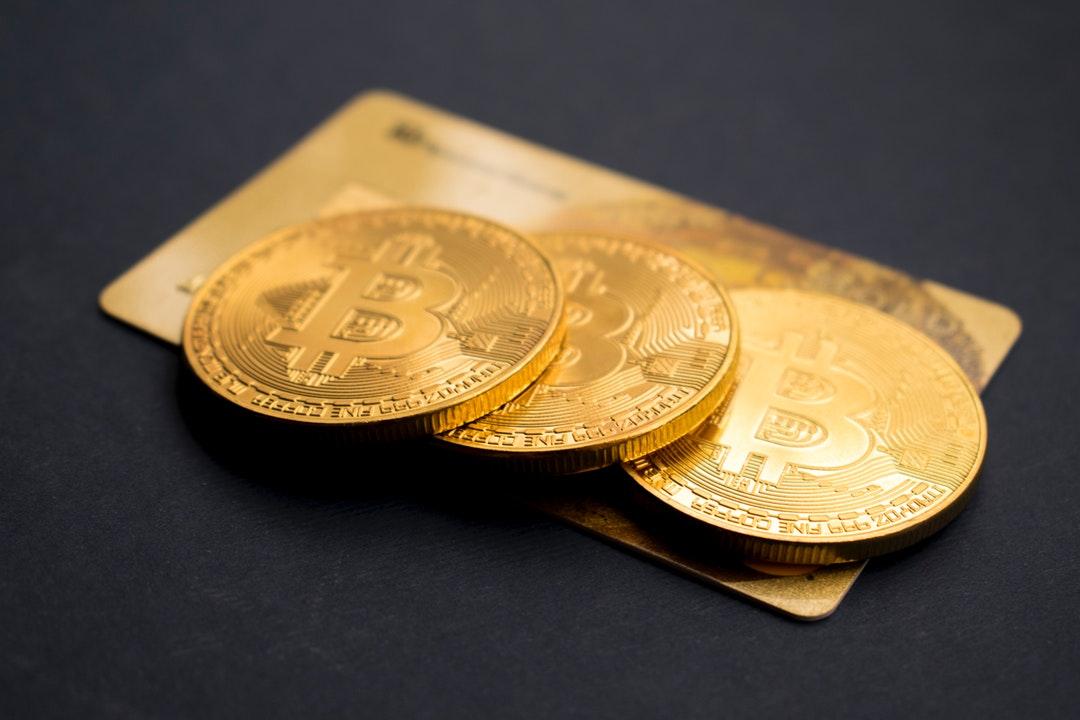
How to buy cryptocurrency with a credit card and understand crypto payment risks

Can You Buy Cryptocurrency With a Credit Card?

Yes, buying cryptocurrency with a credit card may be possible, depending on the crypto exchange, your country, your card issuer, and the specific card network. However, it is not guaranteed. Some banks block crypto purchases on credit cards, and some exchanges no longer support new credit-card links for certain customers.

Even when a credit card works, the transaction may be expensive. Your exchange may charge a card-processing fee, your card issuer may treat the purchase as a cash advance, and interest may start immediately. International transaction fees may also apply if the exchange processes payments outside your country.

Because of these costs, many users compare alternatives such as debit cards, bank transfers, ACH transfers, wire transfers, or direct bank-account funding before using a credit card.

How to Buy Cryptocurrency With a Credit Card

The exact process depends on the exchange or broker you choose, but the basic steps are usually similar.

  1. Choose a reputable cryptocurrency exchange or broker.
  2. Create an account and verify your identity if required.
  3. Check whether credit-card purchases are supported in your region.
  4. Add your credit card as a payment method if allowed.
  5. Review fees, exchange rates, card charges, and purchase limits.
  6. Select the cryptocurrency you want to buy.
  7. Enter the purchase amount.
  8. Confirm the transaction only after reviewing the total cost.
  9. Move funds to a secure wallet if you do not plan to keep them on the exchange.

Some platforms may allow instant card purchases, while others may require additional verification or may block credit-card funding entirely. Always read the payment page carefully before confirming a purchase.

Choose a Reputable Crypto Exchange

Before buying cryptocurrency, you need to choose a platform. Examples of well-known crypto platforms include Paybis, Coinbase, and Kraken. Hardware wallet providers such as Trezor can help users store crypto more securely, but a hardware wallet is not the same thing as an exchange.

When choosing an exchange, review:

  • Security features
  • Regulatory status where applicable
  • Supported payment methods
  • Trading and card-processing fees
  • Withdrawal rules
  • Supported cryptocurrencies
  • Customer-service reputation
  • History of hacks, outages, or withdrawal problems
  • Availability in your country

A good exchange should be transparent about fees and risks. Avoid platforms that promise guaranteed returns, pressure you to deposit quickly, or make withdrawals difficult.

Credit Card Fees Can Be Higher Than You Expect

Credit-card crypto purchases can involve several layers of cost. Even if the exchange shows one fee, your card issuer may add separate charges.

Possible costs include:

  • Exchange transaction fees
  • Card-processing fees
  • Spread or price markup
  • Cash advance fees
  • Cash advance interest from the transaction date
  • Foreign transaction fees
  • Crypto withdrawal or network fees

The Consumer Financial Protection Bureau has noted that cash advances can carry high fees and may start accruing interest immediately, with the most common cash-advance APR in reviewed agreements around 30%. This matters because some issuers may classify certain crypto purchases as cash advances.

Will Buying Crypto With a Credit Card Affect Your Credit Score?

Buying cryptocurrency with a credit card does not directly build credit in the same way that making on-time credit-card payments can. However, the way you use the card can affect your credit score.

Your credit may be affected if:

  • You carry a high balance after buying crypto.
  • Your credit utilization rises.
  • You miss payments.
  • Cash advance fees and interest increase your balance.
  • You open new credit accounts to fund crypto purchases.

If you are unsure where you stand, you may want to review your credit before making any major financial decision. You can learn more about getting your credit score checked and understanding how credit habits affect your financial options.

Is It Safe to Buy Crypto With a Credit Card?

Buying cryptocurrency with a credit card can be convenient, but it is not risk-free. The biggest concern is that you may be using borrowed money to buy a volatile asset. If the crypto price falls, you still owe the credit-card balance, interest, and fees.

The FTC warns that cryptocurrency payments do not have the same legal protections as credit or debit card payments. Credit-card transactions may have dispute processes, but crypto transfers are typically harder to reverse once completed.

Crypto scams are also common. Be cautious if someone tells you to buy cryptocurrency with a card and send it to a wallet, trading platform, investment account, or “support agent.” Legitimate companies do not guarantee crypto profits or pressure you to move funds urgently.

Credit Card vs. Debit Card vs. Bank Transfer

Before using a credit card, compare other funding methods. The best option depends on speed, cost, availability, and your financial situation.

Payment Method Potential Benefits Potential Drawbacks
Credit card Fast and convenient if supported May involve high fees, cash-advance treatment, interest, and debt risk
Debit card Fast and uses available funds rather than borrowed money May still involve card fees and purchase limits
Bank transfer or ACH Often lower cost than card payments May take longer to settle
Wire transfer May support larger purchases Can involve bank fees and may not be ideal for small purchases

For many beginners, a bank transfer or debit card may be more responsible than a credit card because it reduces the risk of buying crypto with borrowed funds.

What Cryptocurrencies Can You Buy?

The cryptocurrencies available to buy depend on the exchange. Some platforms focus on major assets such as Bitcoin and Ethereum, while others list many altcoins. Popular cryptocurrencies may include Bitcoin, Ethereum, Litecoin, Dogecoin, XRP, Stellar, Cardano, and others.

However, popularity does not equal safety. A crypto asset can be well known and still be highly volatile. Before buying any cryptocurrency, research its use case, liquidity, market history, technology, risks, and regulatory concerns.

You can also review educational resources about crypto assets and a crypto trading exchange platform, but avoid making decisions based only on rankings, hype, or old performance lists.

Should You Buy Crypto With a Credit Card?

For most people, buying cryptocurrency with a credit card should be approached carefully. It may be convenient, but convenience does not always make it financially smart.

You may want to avoid buying crypto with a credit card if:

  • You cannot pay off the balance immediately.
  • Your issuer treats the purchase as a cash advance.
  • You are already carrying credit-card debt.
  • You are buying because of fear of missing out.
  • You are following a tip from social media or a stranger.
  • You do not understand the crypto asset you are buying.
  • You need the money for bills, rent, debt payments, or emergency savings.

If you decide to buy, use only money you can afford to lose and keep the purchase small enough that a price decline will not harm your financial stability.

OTC Crypto Trades: What to Know

Over-the-counter crypto trades are private transactions made outside standard exchange order books. OTC trading may be used for larger transactions or institutional-style trades, but it can also carry additional counterparty, pricing, fraud, and settlement risks.

Beginners should be cautious with OTC crypto deals, especially if someone contacts them directly through social media, messaging apps, or email. Use reputable platforms, verify counterparties, and avoid sending funds to unknown wallets.

How to Store Cryptocurrency After Buying

After buying crypto, you need to decide where to store it. You may keep it on the exchange, move it to a software wallet, or use a hardware wallet. Each option has tradeoffs.

  • Exchange custody: Convenient for trading, but you rely on the platform’s security and withdrawal policies.
  • Software wallet: More control than an exchange, but still requires careful device and password security.
  • Hardware wallet: Can improve long-term storage security, but users must protect recovery phrases and avoid setup mistakes.

No storage method is perfect. If you send crypto to the wrong address, use the wrong network, lose your recovery phrase, or fall for a scam, recovery may be difficult or impossible.

Common Mistakes to Avoid

New crypto buyers often make mistakes because the process feels fast and simple. Avoid these errors before using a credit card or any other payment method.

  • Buying crypto with borrowed money
  • Ignoring card fees and cash-advance charges
  • Using an unverified exchange
  • Sending crypto to a stranger or fake investment platform
  • Buying only because prices are rising
  • Keeping all funds on one exchange without understanding custody risk
  • Failing to track transactions for tax purposes
  • Assuming credit-card protections apply after crypto is transferred
  • Investing money needed for essential expenses

The Bottom Line

Buying cryptocurrency with a credit card may be possible, but it can be expensive and risky. Some exchanges and card issuers restrict credit-card crypto purchases, while others may allow them with additional fees or cash-advance treatment.

Before buying, compare payment methods, check your credit-card terms, review exchange fees, and understand the risks of crypto volatility. If you are new to crypto, start with education before making a purchase.

You can also continue learning through our blog or by getting in touch for more information about personal finance topics.

Key Insights

  • Buying cryptocurrency with a credit card may be possible, but availability depends on the exchange, country, card issuer, and card network.
  • Some card issuers block crypto purchases or treat them as cash advances.
  • Credit-card crypto purchases may involve exchange fees, processing fees, cash-advance fees, foreign transaction fees, and immediate interest.
  • Buying crypto with borrowed money can create serious financial risk.
  • Crypto payments and transfers usually do not have the same protections as credit-card purchases.
  • Bank transfers or debit cards may be cheaper and more responsible for many users.
  • Always use reputable exchanges and avoid guaranteed-profit crypto claims.

FAQ

Can I buy cryptocurrency with a credit card?

Yes, some exchanges and brokers may allow credit-card crypto purchases, but availability depends on your region, card issuer, card network, and the platform’s rules. Some issuers block these transactions.

Is it a good idea to buy crypto with a credit card?

It is often risky because you may be using borrowed money to buy a volatile asset. Fees, cash-advance treatment, interest, and price declines can make the purchase expensive.

Will buying crypto with a credit card affect my credit score?

The purchase itself may not directly affect your score, but carrying a high balance, increasing credit utilization, paying late, or incurring cash-advance fees can harm your credit.

Why do some banks block crypto purchases with credit cards?

Some banks consider crypto purchases risky because of price volatility, fraud concerns, cash-advance risk, and consumer debt exposure.

What is the cheapest way to buy cryptocurrency?

The cheapest method depends on the platform, but bank transfers or ACH payments are often less expensive than credit-card purchases. Always compare trading fees, spreads, payment fees, and withdrawal costs.

Is Coinbase a wallet or an exchange?

Coinbase is a cryptocurrency exchange and platform that allows users to buy, sell, transfer, and store crypto. Some users may still choose separate wallets for long-term storage.

Should beginners use OTC crypto trades?

Beginners should be cautious with OTC crypto trades because they can involve counterparty risk, pricing risk, settlement risk, and scams. Standard reputable exchanges are usually easier for beginners to understand.

About EasyFinance.com: ...

Leave a Reply:

Only registered users can post comments.

Find More Products & Services