


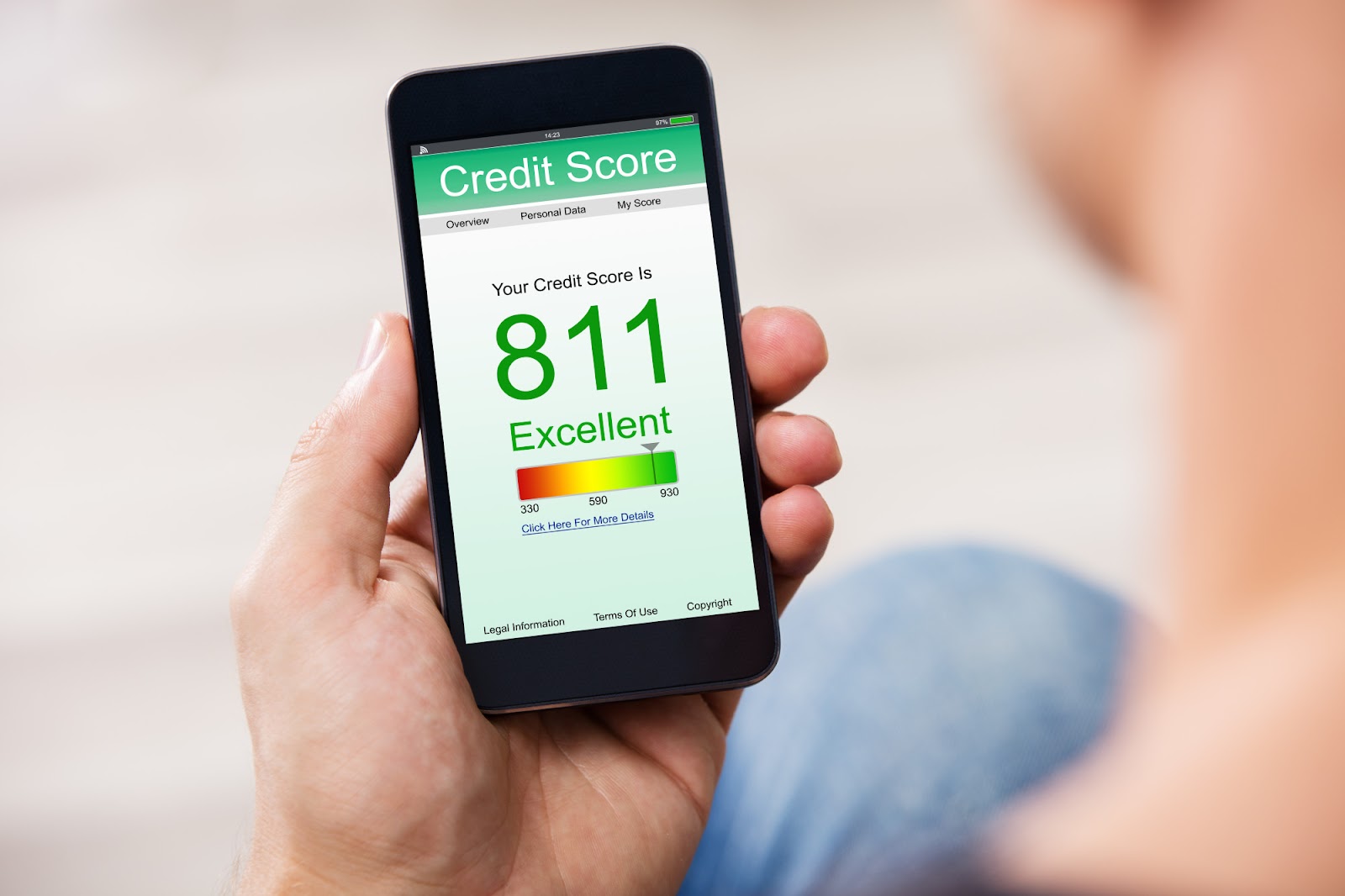
The average FICO credit score in the US is around 700. This is considered a good score, rather than very good or exceptional.
Having a good credit score is important if you're looking to borrow money in the long term. Lenders will look at your credit score to see how much of a risk you present.
There are many things that can affect your credit score, for better and for worse. One of the factors is your payment history.
Read on as we take a look at exactly how late payments can impact your credit score.
What Is Payment History?
Your payment history is a set of information relating to your credit accounts.
It includes information on your different types of credit accounts, such as credit cards, personal loans, and mortgages. Specifically, it relates to how punctual you have been in your repayments to these accounts.
It will include details of any missed payments; when they occurred, how much they were for, how late they were. It will also include information such as if you have ever been declared bankrupt, and the ratio of your good accounts to those that have missed payments.
Who Reports My Payment History?
All of this information is provided to credit bureaus by your lenders.
If you have missed payments, this information will be passed on to the credit bureau and be added to the set of data that they use to calculate your credit score.
Not all lenders report to all bureaus, so your credit score may differ from one bureau to another.
What Impact Does Payment History Have on Your Credit Score?
Credit bureaus use complex algorithms to calculate your credit score, so it is impossible to give a precise indication of the effect on your score.
What is clear, however, is that missed payments are among the things that will cause your credit score to fall. The more missed payments you have, and the later the payments were finally made, the bigger the impact on your score will be.
Other factors can help to mitigate the damage, however.
What Can You Do About It?
The simplest way to stop late payments affecting your credit score is not to make any.
In some cases, it may be worth taking out a payday loan to ensure you don't miss a payment. You can learn more about the impact of payday loans on your credit score.
If you have already missed payments, you can try writing to your lender asking them to consider removing the late payment from your record. You could also set up automatic payments so that you are less likely to miss a payment again.
If all else fails, you might consider hiring the services of a credit repair agency.
Looking for More Useful Financial Advice?
We hope this article has given you some useful information about the impact of your payment history on your credit score.
If you're looking for more useful financial advice, then you're in the right place. Check out the rest of the site for more articles packed with tips and information.



 Get Our RSS
  Follow us on Twitter
  Like us on Facebook
  Circle us on Google+
  EasyFinance Blog
 Twitter
 Facebook
 Google+
 LinkedIn
 Email Subscriptions
Leave a Reply: