


Do you need quick cash? Title loans are a great way to get cash by putting up your car title as collateral. But how do title loans work? Here's your guide.
If you’re short on cash, you have a few options. You could apply for a personal loan at a bank or you could get a title loan. Title loans are ideal for those who need cash fast.
Before you head to your nearest lender, there are a few things you need to know about car title loans. How do title loans work? Keep reading to learn more!
What is a Title Loan?
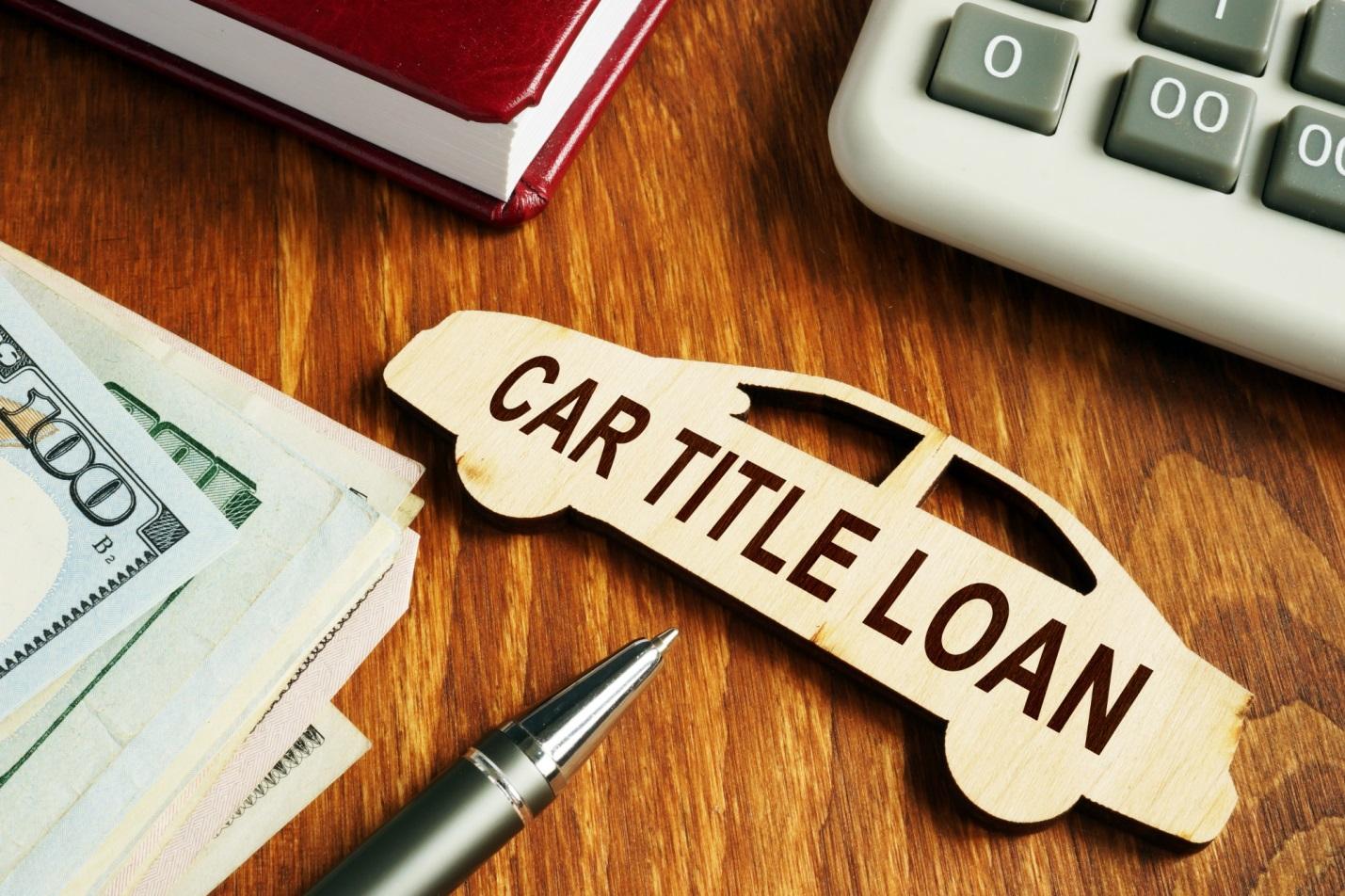
Before we get into the ins and outs of title loans, let’s define what it is. A title loan is similar to a payday loan — except you use your car as collateral. It is a short-term loan that doesn’t require a credit check.
The amount in which you can borrow depends on the car’s market value and its mileage. The older the car and the more miles it has, the less money you can take out.
Many lenders have their own set requirements and restrictions for the car’s condition. Typically, lenders won’t accept vehicles with a value of less than a few thousand dollars.
If you don’t know your car’s value, it's best to check Kelley Blue Book to get an estimate.
Title loans tend to be more expensive than other types of loans. Some states don’t even permit title lenders to operate.
The states that allow title loans are Arizona, Alabama, California, Delaware, Florida, Georgia, Idaho, Illinois, Louisana, Mississippi, Missouri, Nevada, New Mexico, Oklahoma, Ohio, South Carolina, Tennessee, Texas, Utah, and Virginia, and Wisconsin.
How Do Title Loans Work?
To apply for a title loan you will need a lien-free vehicle. This means that your car needs to be paid off.
Some requirements for a title loan include a valid state ID, proof of insurance, proof of income, and valid vehicle registration. Also, the approval process is quick and often doesn’t warrant a credit check.
Unlike other secured loans, you don’t have to give up your car. You can continue to drive the car while you repay the loan.
The repayment term is typically 15 to 30 days, however, some lenders offer a longer-term. You can make payments in person, online, or through authorized automatic payments.
If you don’t make regular payments or default on the loan, the lender can disable or repossess your car.
How Much Does a Title Loan Cost?
While title loans seem like a great way to get quick cash, it comes with a few caveats. First, car title loans oftentimes have high-interest rates. Many of them charge an average of 25% interest per month.
Not to mention, there are a few fees attached as well. For example, most title loans come with a finance fee and title certification fee.
It’s essential to search for the best loans with the lowest interest rates when looking to get a title loan.
Title loans move quickly, but so do several lower-risk options that keep your car keys and peace of mind intact. Before pledging your vehicle, compare the true cost of a title loan with:
If speed is your top priority and you can clear the balance in a single paycheck, a $500 cash advance no credit check direct lender may be a quicker—and often safer—bridge than risking your car title. Always factor in fees, repayment dates, and any rollover charges before committing.
The biggest danger with a title loan is losing your vehicle if a financial setback strikes. Build a proactive exit strategy before you sign, and keep this four-step playbook handy if things change:
Staying ahead of the repayment curve protects both your credit profile and your transportation. If your plan to repay doesn’t feel airtight, pause and reassess rather than rolling the loan forward.
Consider Safer Short-Term Alternatives Before You Sign
Your Repayment Rescue Plan When Cash Gets Tight
Title loans offer speed, but the high costs and risk of losing your vehicle mean they’re rarely the most affordable option. Before you sign over your car title, consider these safer ways to bridge a cash-flow gap:
Exploring these choices first can save you hundreds in fees and help you keep ownership of your car your most valuable asset for getting to work and maintaining income.
Advertised “monthly” rates on title loans can mask an annual percentage rate (APR) that exceeds 300%. To make an informed decision, add up all charges over the full term:
Plug these numbers into an online loan calculator or spreadsheet before borrowing. If the total repayment exceeds 25% of your vehicle’s value—or more than you can comfortably repay within 30 days pause and price-shop other options such as direct lender payday loans or a small personal installment loan instead.
Bottom line: A clear cost breakdown helps you avoid the debt spiral that traps many borrowers when short-term loans roll over repeatedly.
Smarter Alternatives When a Title Loan Isn’t the Best Fit
Calculating the Real Cost of a Title Loan: APR, Fees & Pitfalls
Bottom Line on Title Loans
This guide on how do title loans work is meant to help you weigh your financial options. As we’ve explained, title loans give you access to quick cash but they have the potential to keep you in the cycle of debt.
For more information title loans and other alternatives, check out our community section.



 Get Our RSS
  Follow us on Twitter
  Like us on Facebook
  Circle us on Google+
  EasyFinance Blog
 Twitter
 Facebook
 Google+
 LinkedIn
 Email Subscriptions
Leave a Reply: