


Driving creates responsibilities that go beyond knowing the rules of the road. Whether you are buying your first car, adding a driver to a household policy, moving to a new state, financing a vehicle, or simply reviewing your current expenses, auto insurance is an important part of protecting your finances and complying with applicable requirements.
An accident, theft, storm, falling object, fire, uninsured driver, or serious injury can lead to expenses that are difficult to pay from ordinary income or savings. However, car insurance does not automatically cover every loss. The protection available depends on the coverages purchased, policy limits, deductibles, exclusions, state requirements, vehicle value, financing terms, and the specific circumstances of a claim.
Before purchasing or changing a policy, compare what coverage is legally required in your state, what protection is optional, what financial risks you could reasonably cover yourself, and what risks could create serious hardship without insurance.
Why Is Car Insurance Important?
Even careful drivers may be involved in an accident. Another vehicle may run a red light, a road hazard may cause damage, weather may affect visibility, or a parked car may be damaged by theft, vandalism, hail, fire, or another covered event. Auto insurance can help manage certain financial risks associated with owning and operating a vehicle.
Most states require drivers or vehicle owners to maintain some form of financial responsibility, often through minimum liability insurance. The exact requirements and limits vary by state, and the legally required minimum may not provide enough protection for every driver or household.
Financial Protection After an At-Fault Accident
Liability insurance may help pay for covered injuries or property damage that you cause to another person in an accident, up to the applicable policy limits. Without sufficient liability protection, an at-fault driver may be personally responsible for costs that exceed available coverage.
Depending on the accident, these expenses may include:
- Medical costs for injured people
- Repair or replacement costs for another vehicle
- Damage to fences, buildings, signs, or other property
- Legal defense costs covered under the policy
- Judgments or settlements, subject to policy terms and limits
Liability insurance generally does not pay to repair your own vehicle after an at-fault collision. Protection for your vehicle typically requires collision coverage or another applicable coverage under the policy.
Protection for Your Own Vehicle
A vehicle can be damaged even when another driver is not responsible. Depending on the coverage selected, an auto policy may help pay for repairs or the value of a covered loss involving your vehicle.
For example:
- Collision coverage may help pay for covered damage to your vehicle after a collision with another vehicle or object, subject to the deductible and policy terms.
- Comprehensive coverage may help pay for covered losses involving theft, vandalism, fire, hail, falling objects, animal contact, or certain other non-collision events, subject to the deductible and policy terms.
Drivers with a financed or leased vehicle may be required by the lender or leasing company to maintain collision and comprehensive coverage. Drivers who own an older vehicle outright may choose to compare the premium and deductible with the vehicle’s current value before deciding whether these optional coverages remain appropriate.
Protection When Another Driver Has Insufficient Insurance
An accident may involve a driver who does not have insurance or whose liability limits are insufficient to cover the loss. Uninsured motorist and underinsured motorist coverage may provide protection in qualifying situations, depending on state rules and policy terms.
Because required minimum limits differ by state, consumers should review whether uninsured or underinsured motorist coverage is required, offered, optional, or subject to rejection procedures where they live.
Car Insurance Requirements Vary by State
Auto insurance rules are not the same throughout the United States. Each state may establish different financial-responsibility requirements, minimum liability limits, rules for uninsured or underinsured motorist coverage, personal injury protection requirements, medical-payments options, proof-of-insurance procedures, and penalties for failing to maintain required coverage.
Before buying or changing a policy, confirm:
- What coverage types are required in your state
- The minimum limits required by law
- Whether a lender or leasing company requires additional coverage
- Whether your current limits are sufficient for your assets and financial risks
- Whether moving, adding a driver, purchasing another vehicle, or changing vehicle use requires a policy update
Minimum legally required coverage may help a driver comply with state law, but it may not be enough to cover the full cost of a serious accident. Consumers should compare higher limits based on their financial circumstances, assets, vehicle use, and ability to absorb uncovered losses.
Main Types of Car Insurance Coverage
Auto policies may include several different forms of protection. Some may be required by state law, some may be required by a vehicle lender or lessor, and others may be optional. Not every coverage is appropriate or necessary for every driver.
| Coverage Type | What It May Cover | Important Limitation |
|---|---|---|
| Liability coverage | Covered bodily injury or property damage you cause to others in an accident | Generally does not repair your own vehicle or cover your own injuries. |
| Collision coverage | Covered damage to your vehicle resulting from collision with another vehicle or object | Usually subject to a deductible and limited by vehicle value and policy terms. |
| Comprehensive coverage | Certain covered non-collision losses, such as theft, vandalism, fire, hail, falling objects, or animal contact | Does not cover every event and is generally subject to a deductible. |
| Personal Injury Protection (PIP) | May cover certain injury-related expenses for you or passengers, depending on state rules and policy terms | Availability, requirements, benefits, and limits vary by state. |
| Medical Payments Coverage | May help pay covered medical expenses for you or passengers after an accident | Availability, limits, and interaction with health insurance vary. |
| Uninsured Motorist Coverage | May protect you after a qualifying accident caused by a driver without insurance or in certain hit-and-run situations | Requirements and coverage scope vary by state and policy. |
| Underinsured Motorist Coverage | May help when an at-fault driver has insurance but insufficient limits for a covered loss | Coverage limits and availability vary by state and policy. |
Liability Insurance
Liability insurance is intended to address certain financial responsibility when you cause a covered accident. It commonly includes bodily injury liability and property damage liability.
Bodily Injury Liability
Bodily injury liability may help cover qualifying injuries you cause to other people in an accident, subject to your policy limits and terms. It may also include covered legal defense costs if a claim or lawsuit results from the accident.
Property Damage Liability
Property damage liability may help pay for covered damage you cause to another person’s vehicle or to other property, such as a fence, building, utility pole, or sign.
Liability coverage limits matter. If the cost of an accident exceeds your policy limits, you may be personally responsible for uncovered amounts. Drivers should not assume that the state minimum provides complete financial protection in a serious accident.
Collision Coverage
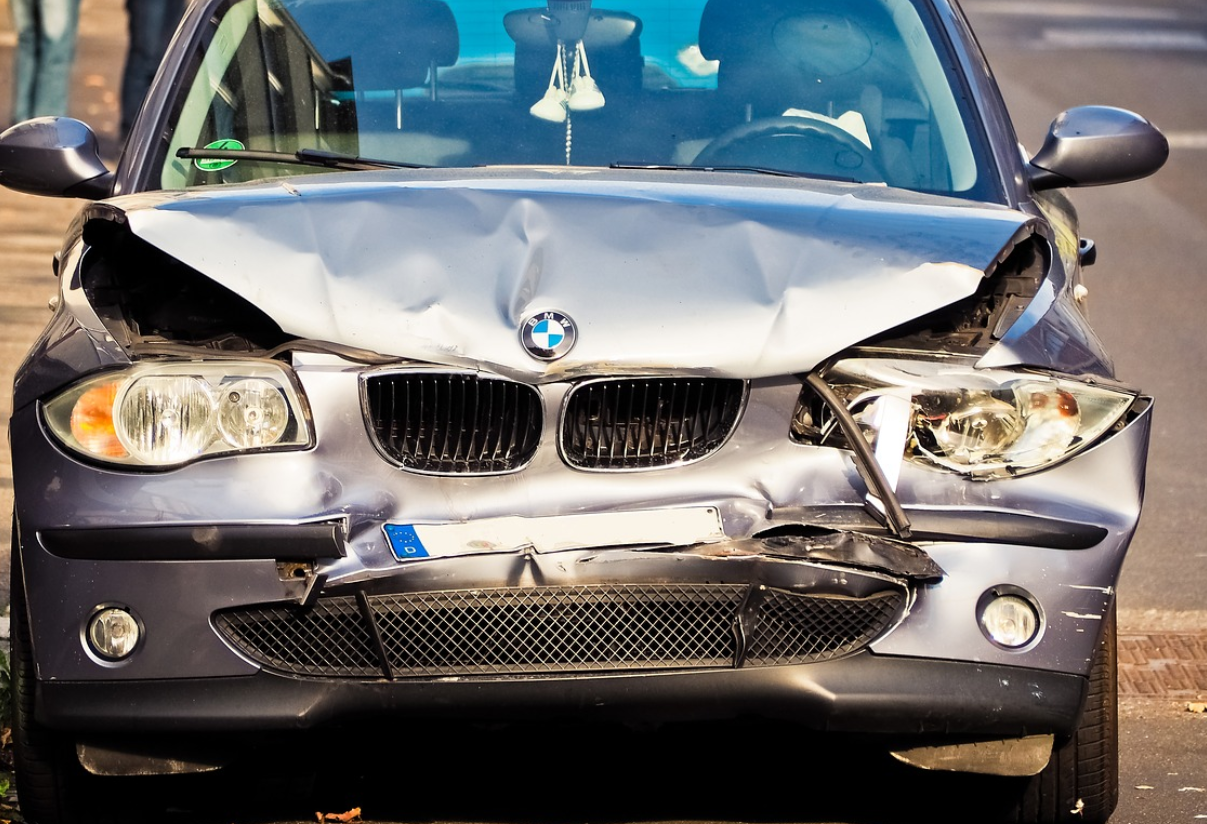
Collision coverage may help repair or replace your vehicle after a covered collision, regardless of whether the collision involves another vehicle or a qualifying object. Examples may include hitting another car, a guardrail, a tree, or certain road hazards, subject to policy terms.
Collision coverage is generally subject to a deductible. A deductible is the amount you may need to pay toward a covered claim before insurance pays according to the policy.
Collision coverage may be particularly important when:
- Your vehicle is financed or leased and the contract requires it
- Your vehicle has significant value
- You could not comfortably pay to repair or replace the vehicle after an accident
- You rely on the vehicle for work, caregiving, or essential transportation
For an older vehicle with limited market value, consumers may compare the annual premium and deductible with the amount the insurer might pay after a total covered loss. The decision should be based on vehicle value, budget, transportation needs, financing requirements, and personal risk tolerance.
Comprehensive Coverage
Comprehensive coverage is generally designed for certain covered losses to a vehicle that do not result from a collision with another car. Depending on policy terms, covered events may include:
- Theft
- Vandalism
- Fire
- Hail or certain weather-related damage
- Falling objects
- Glass damage, depending on the policy
- Contact with an animal
Comprehensive coverage is not unlimited protection for every form of damage. Claims may be subject to deductibles, exclusions, coverage limits, vehicle valuation rules, and claim requirements. Consumers should read policy documents carefully rather than assuming that any theft, weather event, or fire-related loss will automatically be fully paid.

Personal Injury Protection and Medical Payments Coverage
The original article overstated the role of Personal Injury Protection by suggesting that every driver should purchase it and that it automatically pays whenever health insurance reaches a limit. In reality, medical-related auto coverages vary significantly by state and policy.
Personal Injury Protection (PIP) may help cover certain injury-related expenses for you or passengers after an accident, regardless of fault in some jurisdictions. Depending on applicable law and policy terms, covered expenses may include medical costs, lost income, or certain related services.
Medical Payments Coverage, sometimes called MedPay, may help pay certain covered medical costs for the insured driver or passengers after an accident, subject to limits and policy terms.
Before selecting medical-related auto coverage, compare:
- Whether PIP or another medical coverage is required in your state
- What expenses are covered
- Policy limits
- Deductibles or cost-sharing requirements, where applicable
- How the coverage interacts with your health insurance
- Whether passengers or household members are covered
- Any exclusions or claim deadlines
A licensed insurance professional or your state insurance department may help explain applicable requirements and available options, but consumers should review final written policy terms before purchasing coverage.
Uninsured and Underinsured Motorist Coverage
Uninsured motorist coverage may provide protection when you are involved in a covered accident caused by a driver who does not have insurance or, in certain circumstances, after a hit-and-run accident. Underinsured motorist coverage may help when an at-fault driver has insurance, but the applicable limits are insufficient to cover a qualifying loss.
This coverage is not intended to pay costs that you cause to others after an at-fault accident. It is generally focused on losses resulting from another driver who lacks sufficient coverage, subject to state law and policy terms.
Consumers should confirm:
- Whether uninsured or underinsured motorist coverage is required, optional, or offered for rejection in their state
- Whether coverage applies to bodily injury, property damage, or both
- What limits and deductibles apply
- How hit-and-run claims are handled
- Whether coverage applies to passengers or household members
How Deductibles Affect Coverage Cost and Risk
Collision and comprehensive coverage commonly involve deductibles. Choosing a higher deductible may reduce the premium in some situations, but it also increases the amount you may need to pay after a covered claim.
| Deductible Choice | Potential Effect on Premium | Financial Risk to Consider |
|---|---|---|
| Lower deductible | Premium may be higher. | You may owe less out of pocket after a covered claim. |
| Higher deductible | Premium may be lower. | You may owe more out of pocket before coverage applies. |
Do not select a higher deductible solely because it reduces the monthly premium. A deductible should remain affordable from savings or available funds if an accident, theft, storm, or covered loss occurs unexpectedly.
How to Compare Car Insurance Policies
The least expensive premium is not automatically the best policy. A low-cost policy may provide lower limits, higher deductibles, narrower coverage, fewer optional protections, or terms that do not match your needs.
When comparing policies, review:
- Required state coverages and minimum limits
- Bodily injury and property damage liability limits
- Collision and comprehensive deductibles
- Uninsured and underinsured motorist coverage
- PIP or medical payments coverage, where applicable
- Rental reimbursement, roadside assistance, gap-related options, or other optional coverages
- Exclusions and claim requirements
- Discount eligibility
- Premium amount and payment schedule
- The insurer’s complaint handling, financial stability, and licensing status
Request comparable quotes using the same coverage types, limits, deductibles, drivers, vehicle information, mileage, address, and optional protections. Comparing a minimum-coverage quote with a more comprehensive policy may produce misleading results.
What Factors May Affect Auto Insurance Premiums?
Auto insurance pricing may depend on multiple factors, subject to state law and insurer underwriting practices. These factors can differ by insurer and location.
Factors that may affect premium pricing include:
- Driving record and claim history
- Vehicle type, value, safety features, and repair costs
- Where the vehicle is primarily kept and driven
- Annual mileage and vehicle use
- Drivers included on the policy
- Selected coverage types and limits
- Selected deductibles
- Discount eligibility
- Credit-based insurance information where permitted by state law
Consumers may be able to lower insurance costs by comparing equivalent quotes, reviewing available discounts, maintaining accurate policy information, adjusting optional coverages appropriately, selecting an affordable deductible, and avoiding unnecessary coverage gaps.
Mistakes to Avoid When Buying Car Insurance
- Buying only the minimum without understanding the risk: State minimum coverage may not be sufficient after a serious accident.
- Assuming liability covers your own car: Liability coverage is generally focused on qualifying harm you cause to others, not repairing your own vehicle.
- Assuming comprehensive covers every possible loss: Comprehensive coverage applies only according to its covered events, exclusions, limits, and deductible.
- Assuming PIP is required or appropriate everywhere: PIP rules and availability depend on state law and policy options.
- Raising deductibles without emergency savings: A lower premium may create hardship if you cannot pay the deductible after a claim.
- Allowing a policy to lapse: Driving without required coverage may create legal and financial consequences and may increase future insurance difficulty or cost.
- Failing to update the policy: Moving, purchasing a different vehicle, adding a driver, using a vehicle for work, or changing mileage may affect coverage needs and pricing.
- Choosing coverage based only on advertising: Review actual policy documents, insurer information, limits, deductibles, exclusions, and costs.
Questions to Ask Before Selecting a Policy
| Question | Why It Matters |
|---|---|
| What insurance is required in my state? | Helps ensure you meet applicable legal requirements. |
| Are the minimum limits enough for my circumstances? | A serious accident may exceed minimum liability limits. |
| Do I need collision or comprehensive coverage? | Your vehicle value, financing agreement, deductible, and ability to replace the car may affect the decision. |
| What deductible can I afford? | You may need to pay this amount unexpectedly after a covered claim. |
| Do I need uninsured or underinsured motorist protection? | It may protect against losses caused by a driver without sufficient insurance, depending on policy terms and state law. |
| How do medical-related coverages work in my state? | PIP and MedPay requirements and benefits vary. |
| What discounts may apply? | Eligible discounts may reduce premiums without reducing necessary protection. |
| What is excluded from the policy? | Understanding exclusions helps prevent incorrect assumptions about protection. |
How to Use Car Insurance Responsibly
Car insurance is one part of responsible vehicle ownership. It works best alongside safe driving, regular vehicle maintenance, accurate policy information, realistic coverage limits, and emergency savings for deductibles or expenses that are not insured.
Responsible drivers should:
- Maintain required coverage without a lapse
- Carry or access proof of insurance as required
- Update the insurer when relevant vehicle or driver information changes
- Understand the deductible and keep enough savings to cover it where possible
- Review the policy at renewal or after a major life change
- Report claims accurately and retain relevant documents
- Drive safely and avoid distracted or impaired driving
Key Insights
- Auto insurance may help protect drivers from certain financial losses resulting from accidents, theft, weather events, uninsured drivers, and other covered situations.
- Car insurance requirements and minimum limits vary by state.
- Liability coverage generally helps address covered injury or property damage you cause to others, not repairs to your own vehicle.
- Collision coverage may help repair or replace your vehicle after a covered collision, subject to deductible and policy terms.
- Comprehensive coverage may apply to certain non-collision losses, such as theft, vandalism, fire, hail, falling objects, or animal contact, subject to policy terms.
- PIP, medical payments, uninsured motorist, and underinsured motorist coverage vary by state and policy.
- A higher deductible may reduce premiums but increases potential out-of-pocket cost after a claim.
- The cheapest policy is not automatically the most appropriate policy; compare limits, deductibles, exclusions, coverage types, insurer information, and financial risk.
- Drivers with financed or leased vehicles may have additional insurance requirements under their contracts.
- Safe driving, emergency savings, vehicle maintenance, and regular policy review support stronger financial protection.
FAQ
Is car insurance required in every state?
Auto insurance and financial-responsibility requirements vary by state. Most states require drivers or vehicle owners to maintain some form of liability protection or financial responsibility, but the required coverage types and limits differ. Review the requirements in your state before driving or registering a vehicle.
Does liability insurance pay to repair my car?
Generally, liability insurance applies to covered injuries or property damage you cause to others. Damage to your own vehicle after a collision may require collision coverage or another applicable coverage under your policy.
What is the difference between collision and comprehensive coverage?
Collision coverage may help pay for covered damage to your vehicle after a collision with another vehicle or object. Comprehensive coverage may help pay for certain covered non-collision losses, such as theft, vandalism, fire, hail, falling objects, or contact with an animal. Both are generally subject to policy terms and deductibles.
Does comprehensive coverage cover theft or fire?
Comprehensive coverage may cover qualifying theft or fire losses, depending on the policy terms, exclusions, deductible, vehicle valuation, and claim circumstances. Review the written policy rather than assuming every loss will be covered in full.
Do all drivers need Personal Injury Protection?
No. PIP requirements and availability vary by state. Some jurisdictions require it, some offer it as an option, and others use different medical-related auto coverage structures. Confirm applicable state requirements and compare available coverage before purchasing a policy.
What does uninsured or underinsured motorist coverage do?
Uninsured motorist coverage may provide protection in a qualifying accident caused by a driver without insurance or in certain hit-and-run situations. Underinsured motorist coverage may help when an at-fault driver has insufficient liability limits for a covered loss. Coverage scope varies by state and policy.
Should I choose a higher deductible to lower my premium?
A higher deductible may reduce premium cost in some situations, but it also increases the amount you may owe after a covered claim. Choose a deductible only after considering whether you could afford it unexpectedly from savings or available funds.
Do I need collision and comprehensive coverage on an older car?
It depends on whether the vehicle is financed or leased, its current value, the premium and deductible, your transportation needs, and whether you could afford repair or replacement after a covered loss. A lender or leasing company may require these coverages even when you would otherwise choose not to purchase them.
How should I compare auto insurance quotes?
Compare quotes using the same drivers, vehicle information, coverage types, limits, deductibles, optional protections, mileage, and address. Also review insurer licensing, exclusions, available discounts, complaint information, and policy terms before choosing coverage.
Can a minimum-coverage policy leave me financially exposed?
Yes. A legally sufficient policy may still provide limits that are lower than the costs of a serious accident. Drivers should evaluate whether higher limits or additional coverage better match their financial risks and ability to pay uncovered expenses.



 Get Our RSS
 Follow us on Twitter
 Like us on Facebook
 Circle us on Google+
 EasyFinance Blog
 Twitter
 Facebook
 Google+
 LinkedIn
 Email Subscriptions

Leave a Reply: