


What do you do when you have some urgent financial obligations to meet?
You either turn to family or friends for a loan or take a personal loan from a reputed lender, right?
Having a sound CIBIL score helps you avail a personal loan on a low-interest-rate, more on that in a bit!
Many people take up a personal loan to fund many needs such as renovating homes, going on a family vacation, medical emergencies and more.
There is entirely no restriction on what you can use the money for, as long as you are not violating the rule of law.
However, for your personal loan to approve there are some eligibility conditions that lenders have and an essential factor is maintaining a strong CIBIL score.
Yes, if you have a CIBIL score that reads 700+, you are eligible to apply for a personal loan and land a good deal on interest-rates.
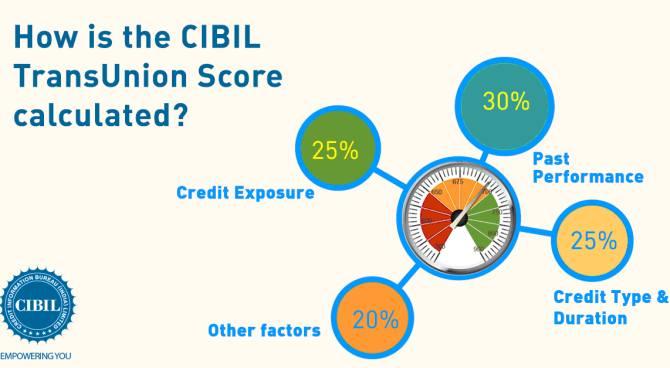
CIBIL Score for Personal Loans:
A CIBIL score or credit score is a three-digit numeric number assigned to each person and represents his/her creditworthiness.
The number has a big role to play when banks or non-banking finance companies (NBFCs) decide whether a borrower is eligible for a personal loan or any other loans.
It receives information about a customer’s financial behaviour from lenders and compiles it to generate a score to depict his/her creditworthiness.
What is a CIBIL score good enough for a low-interest personal loan approval?
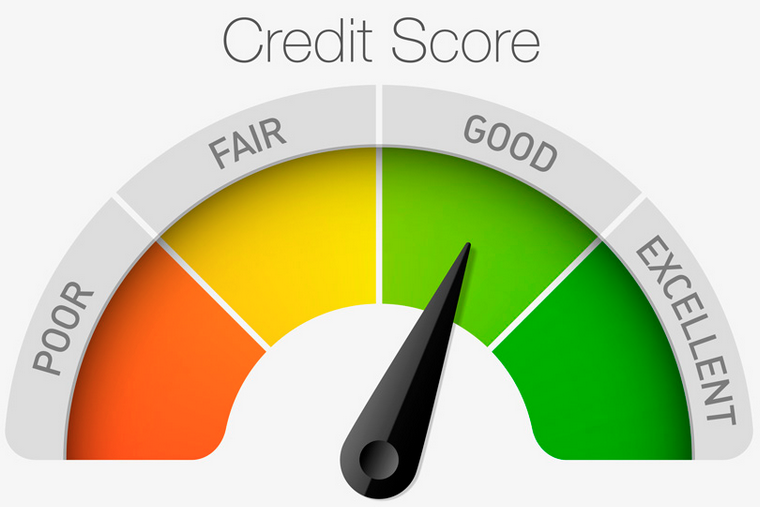
The minimal credit score for a personal loan approval on a low-interest is usually 750. Anything above 750 means that the borrower has enough creditworthiness for his loan application to approve without hassles.
Credit scores range between 300 and 900, 300 being the lower and 900 the higher.
Personal loans are unsecured loans which mean that a borrower need not provide any collateral or security against it.
In this case, a good CIBIL score exhibits that the borrower is responsible when it comes to repaying the loans and credit card outstanding.
What To Do if You Have a Low Credit Score and Want a Personal Loan?
There may be situations that may lead to non-payment of your credits and a low credit score and little possibilities of a loan approval.
Still, if you take some corrective measures such as paying the credits and waiting for 6 months, you can again apply.
4 Steps to Brighten Your Personal Loan Approval Chances:
- If you have a good income:
Great! If you are making big bucks and can repay your loans easily, maybe your CIBIL score won’t matter much.
- If you have filed your taxes
Perfect! Show your prospective creditor that you pay your taxes regularly. They may require last 3 years’ tax statements to proceed further.
- If you have a steady job
Awesome! To prove that you have a steady job, show your lenders the last 6 months’ salary slips.
- If you have a decent bank balance
Yippee! Submit your bank statements for the last 6 months and wait for a positive response from a lender.
Further, keep your identity, address proofs, and PAN card ready, and you are sorted.
The Bottom Line
A CIBIL score is mandatory for your online personal loan to approve. You must leave no stones upturn and strive to maintain it at a healthy pace to grab a low-interest personal loan.
Even if you have a low credit score, you now know the steps or measures to turn to brighten your chances of a personal loan approval. Good luck!



 Get Our RSS
  Follow us on Twitter
  Like us on Facebook
  Circle us on Google+
  EasyFinance Blog
 Twitter
 Facebook
 Google+
 LinkedIn
 Email Subscriptions
Leave a Reply: