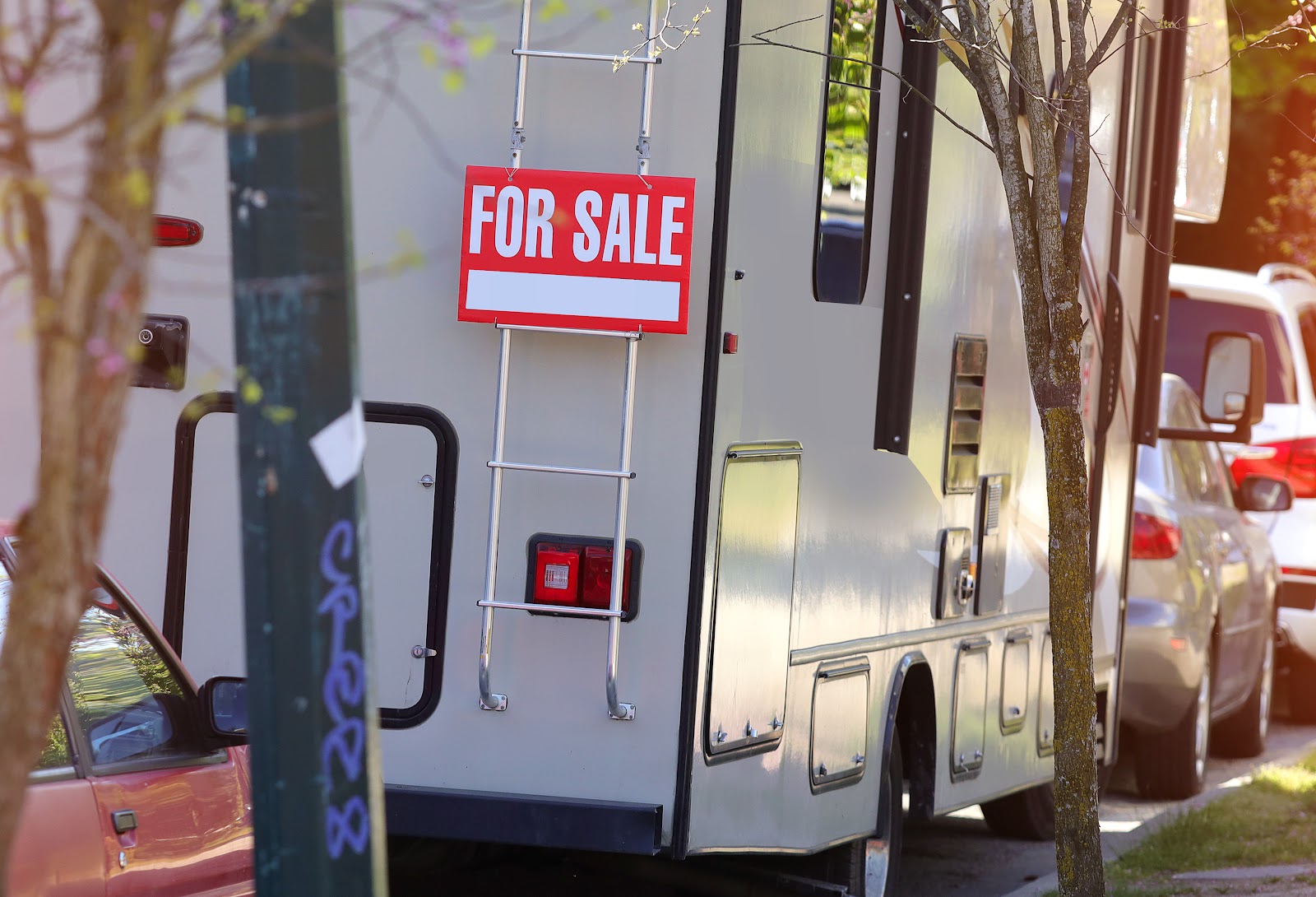

Recreational vehicles can make extended road trips more convenient by combining transportation, sleeping space, and basic living facilities. Depending on the type of RV, travelers may be able to prepare meals, reduce hotel stays, and spend more time in destinations that have limited traditional accommodation.
However, an RV is a major purchase with costs that extend well beyond the advertised price. Loan payments, insurance, fuel, maintenance, campsite fees, storage, registration, and depreciation should all be considered before applying for financing.
Banks, credit unions, dealerships, and online lenders advertise RV financing in different ways, including through strategies such as financial SEO. Borrowers should look beyond promotional claims and compare the complete cost and terms of every offer.
What Is an RV Loan?
An RV loan is financing used to purchase a motorhome, travel trailer, fifth wheel, camper van, pop-up camper, or another qualifying recreational vehicle. Depending on the lender and vehicle, the loan may be secured by the RV or structured as an unsecured personal loan.
RV loans can differ substantially in:
- Available loan amounts
- Annual percentage rates, or APRs
- Down-payment requirements
- Repayment periods
- Vehicle age and mileage restrictions
- Minimum credit requirements
- Origination and documentation fees
- Collateral and insurance requirements
The longest available term is not automatically the best choice. A longer repayment period may reduce the monthly payment while increasing the total interest paid and the risk of owing more than the RV is worth.
Factors to Review Before Financing an RV
Your credit history
Lenders commonly consider credit history when evaluating an RV loan application. A stronger credit profile may help a borrower qualify for a lower APR, a larger loan amount, or more favorable repayment terms.
Before applying, review your credit reports for:
- Accounts you do not recognize
- Incorrect balances
- Payments mistakenly reported as late
- Duplicate debts
- Outdated personal information
EasyFinance.com provides additional information about how credit scores and credit reports may affect borrowing. Consumers who are not planning to purchase immediately can also review practical ways to improve their credit score before submitting a loan application.
Applicants with damaged or limited credit may still receive offers, but the interest rate, down payment, fees, or loan amount may be less favorable.
The purchase price
Research the market value of the RV before discussing financing. Compare vehicles with a similar year, manufacturer, model, mileage, floor plan, equipment, and condition.
The negotiated purchase price should be considered separately from the monthly payment. A seller can make a high price appear affordable by extending the repayment term.
Your down payment
A down payment reduces the amount financed and may improve the loan-to-value ratio. Borrowing less can reduce both the monthly payment and total interest cost.
A larger down payment may also reduce the risk of negative equity, which occurs when the loan balance is greater than the RV’s current market value.
Do not use all of your available savings for the down payment. You may need accessible money for insurance, registration, initial repairs, equipment, campsite reservations, or other ownership expenses.
Your income and existing obligations
Lenders may review income, employment, recurring debts, housing costs, and other obligations when assessing affordability. However, lender approval does not necessarily mean that the payment is comfortable for your household budget.
Calculate how much remains after paying for:
- Housing
- Food
- Utilities
- Insurance
- Existing loan and credit card payments
- Retirement and emergency savings
- Other essential expenses
Avoid relying on a fixed rule stating that an RV payment should equal a particular percentage of income. Affordability depends on the complete household budget and the additional costs of ownership.
Calculate the Total Cost of RV Ownership
The loan payment represents only one part of the cost. Create a realistic ownership budget before deciding how much to borrow.
Insurance
The cost of RV insurance depends on the vehicle type, value, location, usage, selected coverage, deductible, driving history, and whether the RV is used occasionally or as a primary residence.
A lender may require comprehensive and collision coverage while the loan remains outstanding.
Fuel
Heavy motorhomes and tow vehicles can use significantly more fuel than ordinary passenger vehicles. Estimate costs based on expected mileage, typical fuel economy, and fuel prices along your usual routes.
Maintenance and repairs
RVs may require maintenance for the engine, transmission, brakes, tires, roof, plumbing, electrical system, appliances, generators, slide-outs, and climate-control equipment.
Used RVs can have a lower purchase price but may require repairs sooner. Consider arranging an independent inspection before purchasing a pre-owned vehicle.
Storage
If local rules or limited space prevent you from keeping the RV at home, you may need to pay for outdoor, covered, or indoor storage.
Campsites and travel expenses
Many campgrounds charge nightly fees, particularly for spaces with electricity, water, sewer connections, or premium amenities. Tolls, propane, dumping fees, parking, and internet access can create additional expenses.
Registration, taxes, and dealer fees
The out-the-door price may include sales tax, title charges, registration, documentation fees, delivery costs, warranties, and optional accessories.
Confirm which expenses are included in the loan. Financing optional products means paying interest on those products throughout the repayment period.
Depreciation
RVs may lose value over time. A small down payment combined with a long loan term can leave the borrower owing more than the vehicle could be sold for.
Secured vs. Unsecured RV Loans
Secured RV financing
A secured RV loan uses the recreational vehicle as collateral. If the borrower fails to meet the repayment obligations, the lender may repossess the RV.
Secured financing may offer:
- Lower rates than some unsecured products
- Larger loan amounts
- Longer repayment periods
However, the lender may impose restrictions on the RV’s age, mileage, type, condition, or purchase source.
Unsecured personal loans
An unsecured personal loan does not use the RV as collateral. It may provide additional flexibility when purchasing an older camper, a lower-cost trailer, or a vehicle from a private seller.
Unsecured financing may have:
- Higher rates
- Shorter repayment terms
- Lower borrowing limits
- Stricter income or credit requirements
EasyFinance.com provides more information about personal loan options. Rates, fees, terms, and eligibility requirements vary by lender and applicant.
Compare a personal loan with dedicated RV financing before deciding which structure offers the better total cost.
Where Can You Get an RV Loan?
1. Banks
Banks may offer secured recreational vehicle loans, unsecured personal loans, or both. Existing customers may qualify for relationship discounts, although an account with the bank does not guarantee approval or the lowest rate.
When comparing bank financing, review:
- The APR
- The required down payment
- The minimum and maximum loan amount
- The available repayment periods
- The permitted age and type of RV
- Origination and documentation fees
- Early repayment conditions
2. Credit unions
Credit unions are member-owned financial institutions that may offer vehicle and recreational loan products. Rates and terms vary, and membership requirements may be based on employment, location, organization membership, or another qualifying relationship.
Consumers can review the general advantages and disadvantages of credit unions before deciding whether membership is appropriate.
A credit union may provide personalized service or competitive terms, but borrowers should still compare its complete offer with banks and online lenders.
3. Online lenders
Online lenders may offer dedicated RV financing or unsecured personal loans. The application and document-submission process can often be completed electronically.
Some lenders allow applicants to check potential terms through prequalification. Prequalification may use a soft credit inquiry, but borrowers should verify this before submitting their information. A formal application may result in a hard inquiry.
Online convenience should not replace due diligence. Confirm the lender’s identity, licensing where required, contact information, privacy practices, and complete loan terms.
4. RV dealerships
Dealership financing can be convenient because the vehicle purchase and loan application are handled in one place. The dealer may submit the application to one or more lending partners.
Compare the dealer’s proposal with an independent preapproval. Review whether the offer includes:
- Dealer-arranged financing markups
- Extended warranties
- Service contracts
- Gap coverage
- Accessories or protection products
Negotiate the RV price separately from the financing. This makes it easier to understand whether the purchase price and loan terms are both competitive.
5. Specialized RV lenders
Specialized lenders may have more experience with large motorhomes, luxury models, older RVs, full-time use, or other circumstances that do not fit standard vehicle-loan criteria.
Consumers researching camper financing should compare specialized offers with other available options and review all lender disclosures.
How to Compare RV Loan Offers
Do not select an offer based only on the monthly payment or advertised interest rate. Request enough information to compare the total cost.
- APR: A broader measure of borrowing cost that generally includes the interest rate and certain fees.
- Loan term: The total length of the repayment period.
- Monthly payment: The required scheduled payment.
- Total amount financed: The loan balance after the down payment and any financed fees or add-ons.
- Total of payments: The complete amount expected to be repaid over the term.
- Down payment: The amount that must be paid upfront.
- Fees: Origination, application, processing, documentation, and late-payment charges.
- Prepayment rules: Whether the loan can be paid off early without an additional charge.
- Collateral requirements: The lender’s rights if the borrower defaults.
A shorter loan with a larger monthly payment may cost less overall than a longer loan with a lower payment.
Should You Get Preapproved?
Loan preapproval can provide a clearer budget before you begin negotiating with a seller. It may indicate a potential borrowing amount, APR, loan term, and monthly payment.
Preapproval can also help you:
- Focus on RVs within your budget
- Compare dealership financing
- Negotiate the purchase price separately
- Identify credit or documentation problems early
A preapproval is not a guarantee of final funding. The lender may still need to verify income, employment, identity, vehicle details, insurance, and other information.
New vs. Used RV Financing
Financing a new RV
A new RV may come with manufacturer warranties and fewer immediate repair concerns. However, it may have a higher purchase price and experience significant early depreciation.
Financing a used RV
A used RV may cost less upfront, but lenders can impose age or mileage limits. The repayment term may also be shorter.
Before buying a used RV:
- Arrange an independent inspection.
- Check for water intrusion and roof damage.
- Test appliances, plumbing, electrical systems, and slide-outs.
- Review maintenance records.
- Confirm the title is clear.
- Estimate the cost of immediate repairs and replacement tires.
A lower purchase price may not create savings if the vehicle requires extensive repairs shortly after purchase.
Questions to Ask Before Signing an RV Loan
- What is the APR?
- Is the rate fixed or variable?
- How much will I repay in total?
- What down payment is required?
- Which fees are included?
- Are there restrictions on the RV’s age or mileage?
- Is comprehensive insurance required?
- Can I pay the loan off early without a penalty?
- What happens if a payment is late?
- Does the loan include a balloon payment?
- Are warranties or other optional products being financed?
- When will the lien be released after repayment?
Read the complete agreement and confirm that it matches the terms you were offered. Never sign incomplete documents or rely solely on verbal promises.
Alternatives to Financing an RV
An RV loan is not the only way to enjoy recreational travel. Alternatives may include:
- Renting an RV for individual trips
- Buying a less expensive travel trailer
- Purchasing a used RV with cash
- Continuing to save for a larger down payment
- Sharing ownership and expenses with trusted family members
- Using hotels, cabins, or traditional campsites instead
Renting can be particularly useful for determining which RV type and layout meet your needs before making a long-term commitment.
Compare the annual cost of ownership with the expected number of travel days. Purchasing may not be cost-effective when the RV will be used only occasionally.
Can You Make Money by Renting Out an RV?
Some owners rent their RVs when they are not using them, but rental income should not be treated as guaranteed.
Before relying on rental income to make loan payments, consider:
- Platform fees
- Commercial-use restrictions in the loan agreement
- Insurance requirements
- Cleaning and turnover costs
- Increased mileage and depreciation
- Repairs caused by renters
- Seasonal demand
- Applicable taxes and local rules
Confirm that both the lender and insurer permit rental use before listing the RV.
Frequently Asked Questions About RV Loans
What credit score is needed for an RV loan?
There is no universal minimum credit score. Each lender uses its own underwriting criteria and may also consider income, debts, down payment, vehicle value, and loan amount. A stronger credit profile will generally provide access to more competitive offers.
How long are RV loan terms?
Available terms vary according to the lender, loan amount, credit profile, and RV. Large recreational vehicle purchases may be financed for longer periods than ordinary auto loans. A longer term can substantially increase the total interest paid.
Can I finance a used RV?
Yes, some lenders finance used recreational vehicles. However, restrictions may apply based on the vehicle’s age, mileage, value, condition, and type.
Is it better to use an RV loan or a personal loan?
A secured RV loan may provide a lower rate or longer term, but the RV serves as collateral. A personal loan may offer more flexibility but can have a higher rate or lower borrowing limit. Compare the APR, fees, monthly payment, and total repayment amount.
Can I get an RV loan with bad credit?
Some lenders consider borrowers with damaged credit, but offers may involve higher rates, larger down payments, smaller loan amounts, or shorter terms. Improving credit and saving a larger down payment before applying may reduce borrowing costs.
Does prequalification affect my credit score?
Some lenders use a soft credit inquiry for prequalification, which generally does not affect traditional credit scores. A formal application may involve a hard inquiry. Confirm the type of inquiry before submitting your information.
Are RV loan interest payments tax-deductible?
Tax treatment depends on how the RV is used, how the loan is structured, and current tax rules. Consult an appropriately qualified tax professional rather than assuming that interest is deductible.
Is an RV a good investment?
Most RVs should be viewed primarily as lifestyle purchases rather than investments expected to increase in value. They can provide personal and travel benefits, but owners should account for depreciation and ongoing expenses.
Decide Based on Affordability, Not Approval
RV financing can make a recreational vehicle purchase possible without paying the entire cost upfront. However, approval should not be treated as proof that the purchase fits comfortably within your budget.
Review your credit, estimate the complete ownership cost, compare secured and unsecured financing, and obtain offers from several sources. Evaluate the APR, loan term, fees, down payment, monthly payment, and total amount repayable.
Most importantly, leave room in your budget for maintenance, repairs, insurance, travel expenses, and emergencies. The right RV should support your travel plans without undermining your other financial priorities.
Loan availability, rates, fees, terms, and eligibility requirements vary by lender and applicant. Submitting an application does not guarantee approval or funding.

Leave a Reply: